

Retrospective Evil



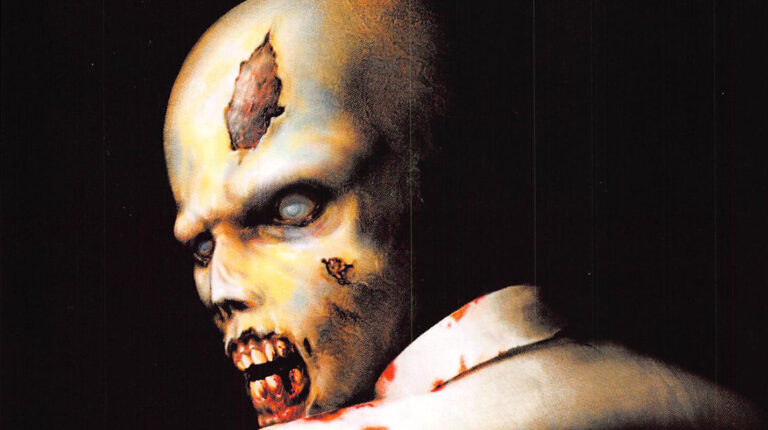
Welcome to the start of Eneba’s Resident Evil Week! In honor of the Resident Evil franchise celebrating its 30th anniversary (and the lead-up to the ninth mainline entry, Requiem, launching on Feb. 27) we’re going back to where it all began: Resident Evil, released on the PS1 in 1996.
These days, a new Resident Evil game is always a cause for excitement and is guaranteed to sell well. Capcom’s most recent financial report revealed that 2021’s Resident Evil Village had sold 12.872 million copies by October 2025, with 1.566 million sold in the past two quarters alone.
However, back in the mid-nineties, Capcom was primarily known as the home of Street Fighter and other beat ‘em ups. Although the marketing for Resident Evil in Japan (titled Bio Hazard over there) did coin the term “survival horror,” it wasn’t an established genre so there was no telling how well – if at all – Capcom’s new game would sell. Compounding matters, its creative director (Shinji Mikami) and his team had mostly recently made Aladdin and Goof Troop games; a far cry from zombies and mutants.
In an interview with GamePro magazine in April 1996, Mikami outlined his idea. “My main inspiration was Zombie, a famous Italian horror movie,” he said. “When I saw the movie, I was dissatisfied with some of the plot twists and action sequences. I thought, ‘If I was making this movie I’d do this or that differently.’ I thought it would be cool to make my own horror movie, but we went one better by making a video game that captures that same sense of terror.”
“I want Resident Evil to give the player the feeling that he’s the main character in a horror movie.”
Jump to:
It’s Blood, Jill
Resident Evil certainly worked to grab players by the eyeballs as soon as they booted it up: an FMV intro reveals that a S.T.A.R.S (Special Tactics and Rescue Service) team sent to find out what happened to their colleagues comes under attack from monstrous dogs, leading them to seek shelter in a sprawling mansion.
The game then lets players choose between playing as either Jill Valentine or Chris Redfield as they explore the area, with each character having specific perks (Jill can pick locks and carry more, Chris starts with a lighter and is better with heavy weapons). Resident Evil also introduced players to the now-trademark mix of exploration, resource management, and puzzles that walked a thin line between inspired and maddening.
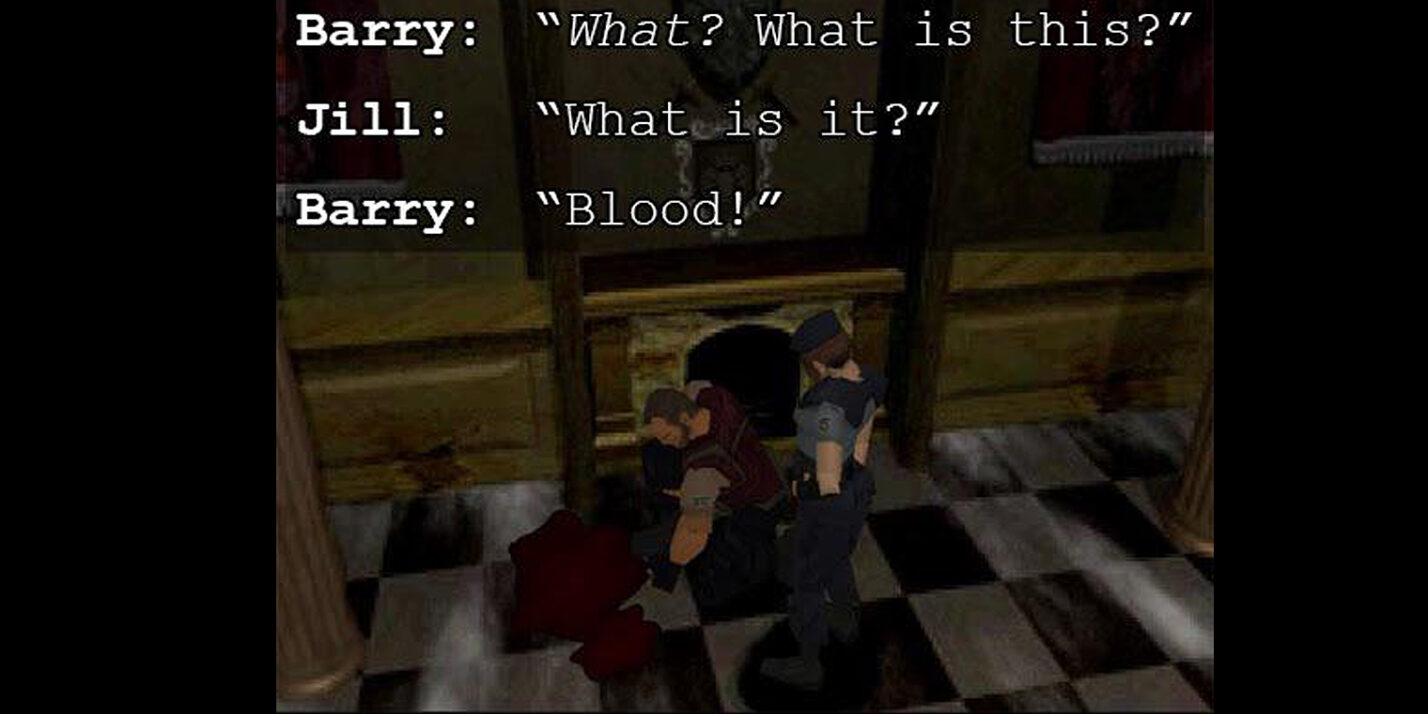
Players might be familiar with this overall set-up by now, and even in 1996 it wasn’t exactly groundbreaking – but the execution was. Resident Evil used pre-rendered backgrounds (partly a way to get around the technical limitations of the PlayStation 1), tank controls, and cinematic, fixed camera angles that often hid a groaning horror just out of sight. Fire up any contemporary PSX-inspired horror game (like Heartworm or the upcoming Kurai Yama) and chances are it copies at least some of these mechanics as shorthand for survival horror.
Looks Like He Was Killed by a Crow or Something
While Resident Evil has long been a cultural touchstone, that wasn’t always the case as game critics initially struggled to describe it. Recent reviews, even ones from 10 years ago, are invariably colored by the series’ evolving appreciation, so to see how far the franchise has lurched from being considered a clone of other games to one that can win awards before it’s even released, I took a look at how Resident Evil was received in 1996.
The very same GamePro magazine that had the Mikami interview also featured a review of the game, in which it said “Resident Evil takes Alone in the Dark-style gaming to a higher level with gory Doom-like combat and gorgeous graphics.” As will become apparent, hallmarks of the series that people now think of fondly were considered faults back then, as GamePro also highlighted “B-grade video and dialogue” that was “mostly laughable.”
Gamespot also likened it to Alone in the Dark and reviewed Resident Evil favourably overall, but made a point of highlighting how “two flaws exist in this game, and they’re big.” The first was the “unrealistic” inclusion of limited inventory space for players, as well as the trunks that hold excess items. The second was the cinematics which “are filled to the vomit-line with some of the most hokey, badly-translated, drama-killing, god-awful voice acting ever burned onto a disc.” Ouch!
EGM praised its “realistically rendered rooms” and referred to it as a straight-up “Adventure” game in a January 1996 preview before reviewing it in May with stellar scores. The magazine’s review team all liked similar things about it, especially the monsters and puzzles, but found the control scheme unusual (this was also a common point in reviews from the time).
Alone in the Spooky Old House
Other game magazines from the time were largely impressed with Resident Evil, perhaps mainly because everyone kept expecting it to be an Alone in the Dark copy. This long-running series is worth its own retrospective but for now I’ll focus on Alone in the Dark 2, as this came out in 1993 but was ported to PS1 in 1996 (subtitled either Jack’s Back or One-Eyed Jack’s Revenge, depending on the market).
In this game, private detective Edward Carnby (who would reappear in different ways throughout the franchise) is tracking down a kidnapped young girl and the trail leads to, you guessed it, a spooky old mansion. Enemies are mobsters possessed by pirate ghosts(!) and gameplay involves a mix of stealth and gunplay.
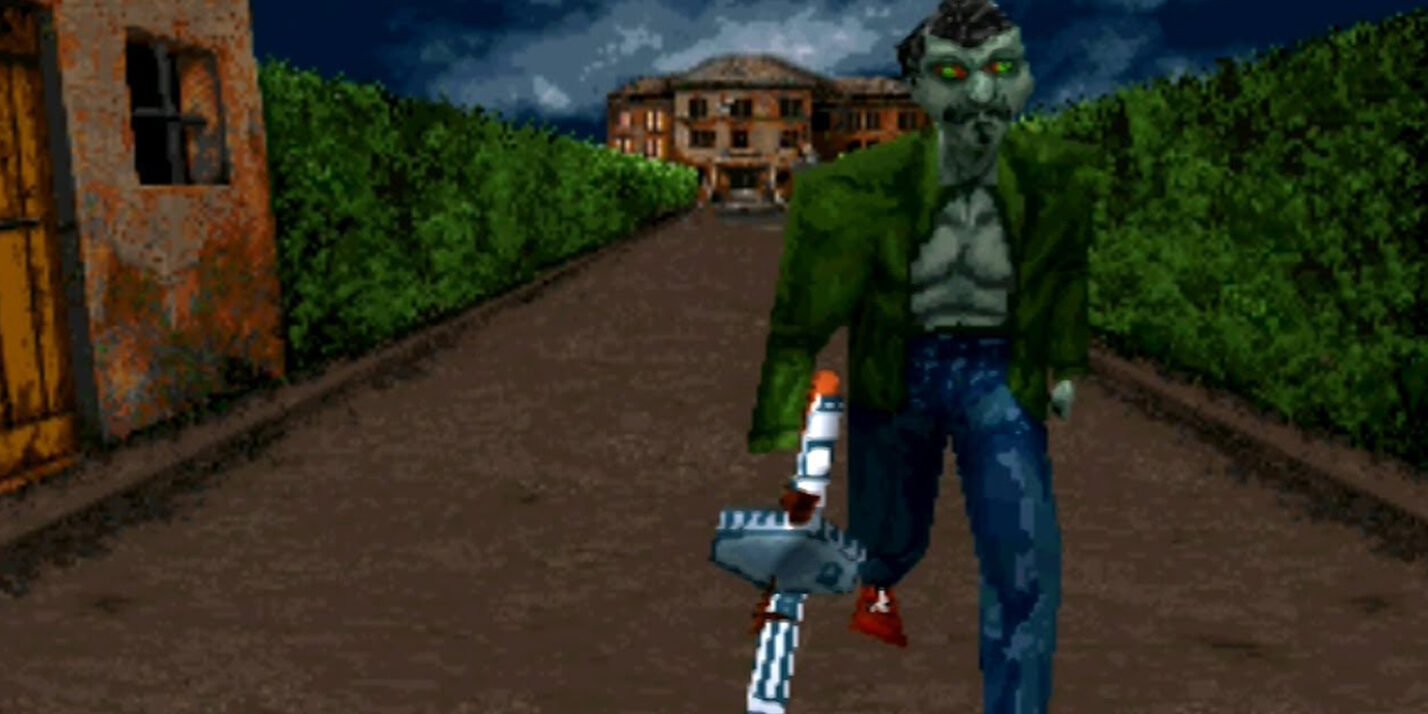
Alone in the Dark is often rightfully regarded as the true progenitor of survival horror, but back in the nineties critics were less kind to this title. CVG gave it 2/5, compared it to Resident Evil, and said it was showing its age. GamePlayers gave it 79% but also jumped on the reverse comparison bandwagon, with: “as groundbreaking as this series was when it first appeared…it’s clear that the form has been improved on and passed by since then. Comparing AITD (1 or 2) to the likes of, say, Resident Evil, shows just how far things have come.”
Next Generation was particularly harsh in its two star review in January 1996: “This aging graphic adventure still has some merit, but frankly it’s yesterday’s news, and releasing it to PlayStation in the wake of Resident Evil just makes it redundant.”
You Almost Became a Jill Sandwich
Resident Evil would surpass Alone in the Dark 2 in pretty much every way, technically and commercially: although reliable sales figures for the original release are hard to come by, most sources estimate it sold around 5 million copies in 1996.
For more concrete numbers: the 2014 Resident Evil HD Remaster (a re-release of the 2002 GameCube remake, or: REmake), remains one of Capcom’s top-selling games in the franchise at 4.8 million units sold by November last year. I’ll be diving into this remake, and others in the series, in a follow-up article.
The video game industry has always been about trends; as soon as one game does something really well, other studios try to jump on the bandwagon. Resident Evil’s influence is easy to see in 2026, but it was also clear back in the nineties; the end of that decade saw multiple survival horror games flood the market, many of which became popular in their own right, including Clock Tower (1996), Nightmare Creatures (1997), Hellnight (1998) and a little game about a misty town called Silent Hill (1999).
As for Resident Evil’s debut, Mikami ended his GamePro interview with “We hope that people really enjoy Resident Evil. If the first game does well and there is much demand, we’ll consider doing a sequel.” As such, a Director’s Cut version of Resident Evil was released in 1997 that remixed the game’s content, with a well-received sequel available in 1998. Resident Evil 3: Nemesis would roar into undead life in late 1999 on PS1 and bring back Jill Valentine.
Often mistakenly considered the lesser of the original PlayStation releases, Nemesis’ critical response was actually very favourable (GameSpot called it “the most sophisticated of all the RE games, both graphically and in terms of gameplay,” while also a little creepily adding “Jill Valentine is also easy on the eyes, looking light years ahead of the comparatively blocky models in the original game.”). If any complaints were leveled at Nemesis, they typically involved the short game time and shift into a more action-orientated gameplay.
It’s also a common misconception that bad reviews led to Capcom deciding to reinvent the series with Resident Evil 4 on the GameCube in 2005; it was in fact a decision made by RE4 producer Hiroyuki Kobayashi. E3 footage in 2003 showed a RE4 more in line with what had come before, but come E3 the following year Capcom had a new gameplay angle to showcase. Stay tuned for a look at how this game wasn’t the only experiment Capcom conducted with the franchise; it may not have even been the most successful.
Resident Evil Spreads to Other Platforms
Resident Evil received two ports in 1997: the first for the Sega Saturn, which added new enemies (a Golden Tyrant and Hunter variants called Ticks) plus a Battle Game mode (a precursor to the Mercenaries mode shipped with Nemesis). A PC port then followed (although it was released in Japan sooner, in 1996) which largely copied the original, except it contained uncensored content and featured the opening FMV in color. Both these ports received similar positive reviews to the PS1 version.
The last word goes to the Game Revolution review of Resident Evil, which hedged its bets a little by suggesting something better might come along, but ultimately praised the game for trying something new:
“This is exactly the kind of revolutionary title that we applaud. Sure, others like it will come along, some will even surpass it, but hats off to Resident Evil for getting there first.”