

Resident Evil Netflix Series Review: Is It Worth Watching?



Disclaimer: This article is part of Eneba’s Resident Evil Week. Part nine of the main franchise, Resident Evil Requiem, launches on Feb. 27, and seeing as this also ties into the series’ 30 year history we’ll be doing the same. Expect more reviews, deep dives and companion pieces to various popular and forgotten Resident Evil games.
This Resident Evil Netflix series review starts with one simple truth – this show had a tough mission from the start. Thirty years of games. Multiple timelines. A pile of questionable movie adaptations. And a fanbase that can smell lore nonsense from a mile away.
So when Netflix dropped a live-action show split between 2022’s shiny New Raccoon City and a 2036 zombie apocalypse, fan expectations were… cautious.
After watching it front to back, here’s the honest take: it’s better than its reputation, carried hard by a phenomenal Wesker and a surprisingly strong 2022 storyline. But the 2036 timeline drags, the canon connections get messy, and it never fully commits to real horror.
Flawed? Absolutely. Worth talking about? Also yes.
Jump to:
Two Timelines, One Big Gamble
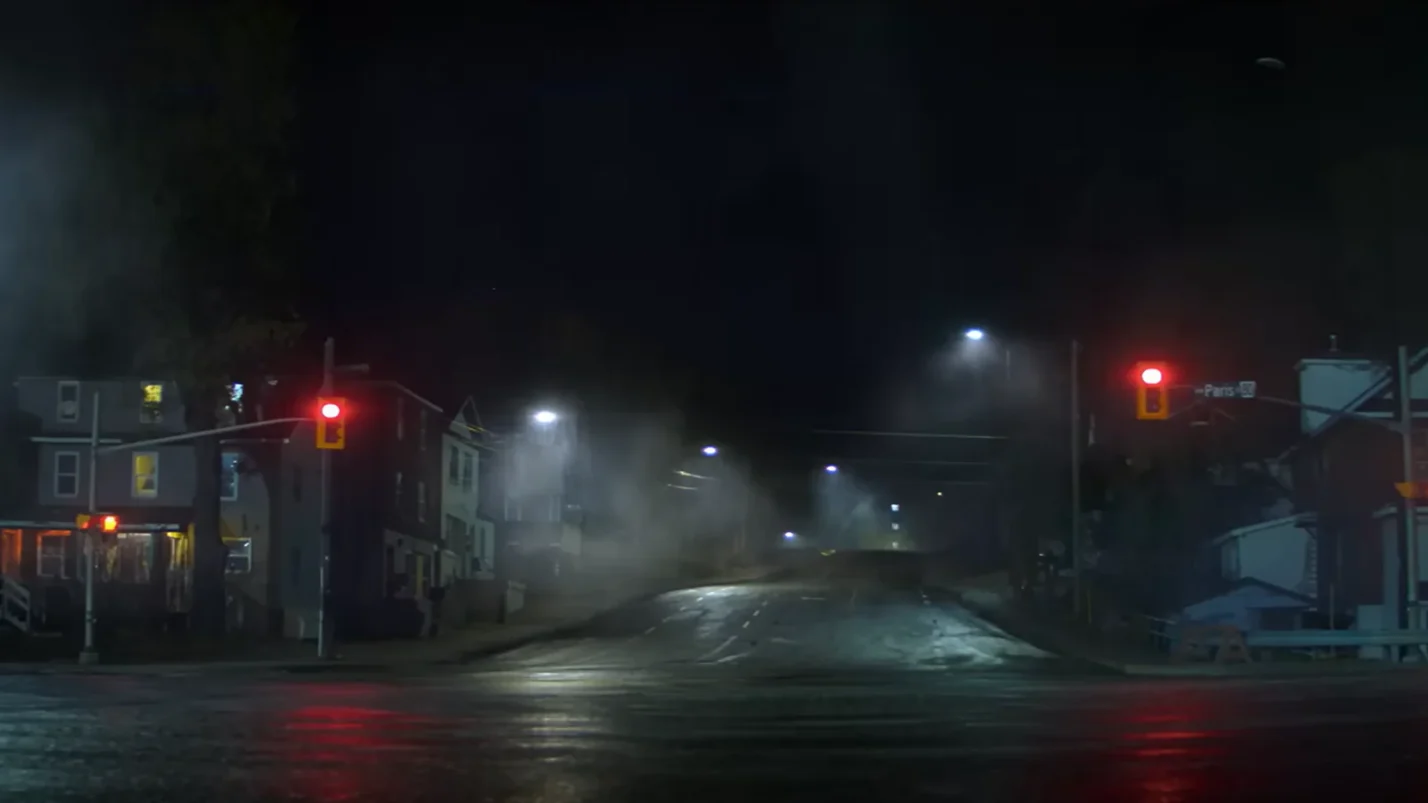
To start off my Resident Evil Netflix series review, I need to specify that this is practically a Resident Evil season 1 review. The show is an eight-episode live-action story that jumps between 2022’s polished New Raccoon City, where the Wesker family drama slowly unravels, and a 2036 wasteland where Jade fights zombies, Umbrella, and her own bad decisions.
The series claims ties to the game canon, which immediately raises eyebrows if you know your lore. It dropped on Netflix in 2022 and was canceled after one season, so don’t expect a clean, satisfying wrap-up.
Rather than adapting a specific game, my Resident Evil season 1 review is that the show positions itself within the broader Resident Evil universe, referencing Umbrella’s legacy and Wesker’s history. That bold, in-between approach is exactly why it stands among the best Netflix series based on video games – and why some fans felt the disconnect.
And like the Paul W.S. Anderson film run before it, this series plays fast and loose with canon sometimes boldly, sometimes frustratingly.
My Resident Evil TV series review in short: This one’s aimed at curious Resident Evil fans, zombie binge-watchers, and anyone wondering if this forgotten adaptation deserves a shot.
When 2022 Carries Hard
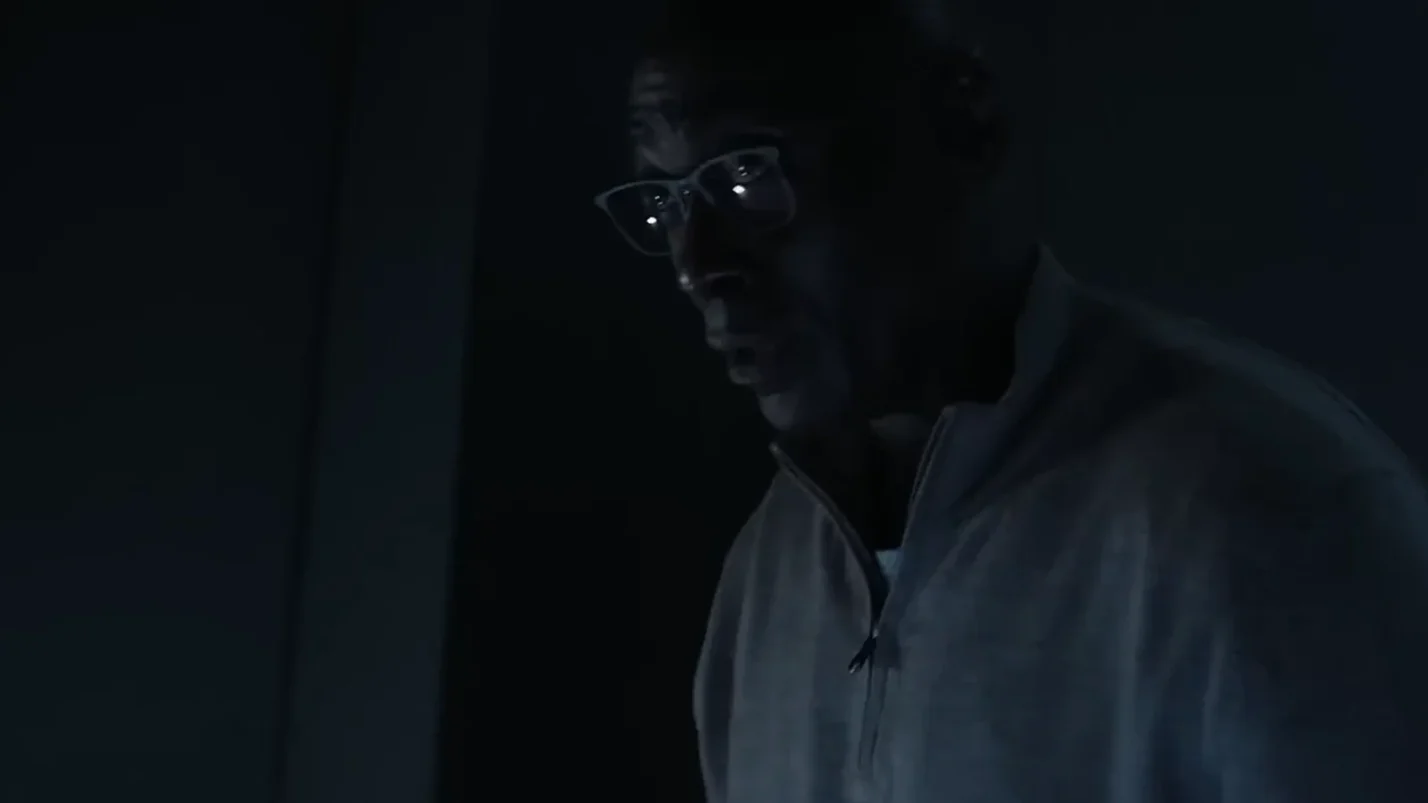
The boldest choice in the live-action adaptation is the split timeline. We bounce between 2022’s pre-outbreak New Raccoon City and a full-blown 2036 apocalypse. The thing is that, on paper, it looks cool, but in practice, one timeline clearly wins.
The 2022 storyline is where the show actually breathes. You’ve got Umbrella playing corporate chess, Albert Wesker being suspicious in the most Wesker way possible, and teenage Jade and Billie carrying real emotional weight. The family tension works. The mystery builds. There’s intrigue instead of just chaos. It feels like something new layered onto familiar Resident Evil DNA.
Then we jump to 2036… and things get shakier. Post-apocalyptic Jade fighting zombies and dodging Umbrella sounds great, but it often plays like a survival drama we’ve already seen done better elsewhere. Her husband, daughter, and resistance allies show up with minimal backstory, so when things go sideways, it’s hard to feel much for them.
Episodes one through six drag here. The pacing stalls, the stakes blur, and momentum slips. The final two episodes finally crank things up and deliver some real energy, but by then, the imbalance between timelines is impossible to ignore, so your time might be better spent playing all Resident Evil games in order.
Wesker Steals the Show
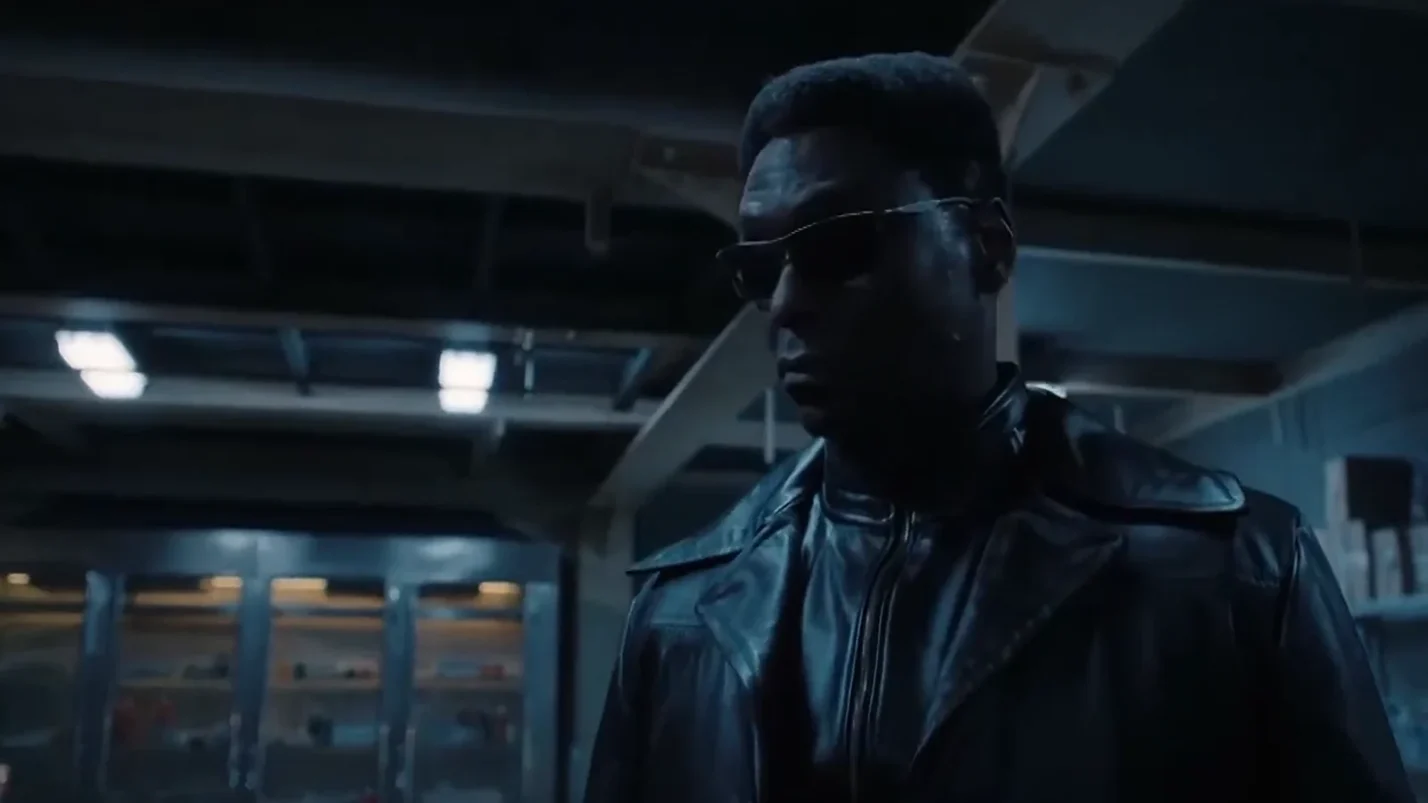
If there’s one reason to watch this show that I want to specify in my Resident Evil TV Series Review, it’s Lance Reddick’s Albert Wesker. The moment Wesker enters a scene, it’s his. Calm, precise, slightly unhinged, and always three steps ahead. Even when the script wobbles, Reddick never does. It’s the kind of performance that makes you wish the entire show revolved around him.
Yes, the casting sparked debate among purists expecting a game-accurate Wesker. But the performance speaks louder than surface-level lore arguments, and Reddick silences most of that noise fast.
Evelyn Marcus often swings into exaggerated, almost cartoon-villain territory – entertaining at times, but tonally inconsistent with the grounded 2022 drama.
The younger cast also pulls serious weight. Tamara Smart (young Jade) and Siena Agudong (young Billie) sell the sister dynamic with believable tension and chemistry. Their arguments feel raw instead of melodramatic, and that emotional grounding is what makes the 2022 timeline work.
Ella Balinska’s adult Jade is more divisive, but there’s a layered performance there. She’s driven, stubborn, sometimes reckless; not always likable, but never flat.
And credit where it’s due: the monsters look great. Lickers are properly unsettling, the giant spiders are nightmare fuel, and the mutated dogs feel ripped straight from Resident Evil games. When the gore hits, it hits hard. Limbs fly. Blood splashes. It’s not sanitized.
Production-wise, it avoids the cheap, hollow feel many feared. Visually, at least, this world holds up.
Where the Script Trips

For all its ambition, the Netflix adaptation can’t quite hold its own structure together. The split between 2022 and 2036 sounds clever, but the connective tissue is thin. Big emotional beats in the past don’t always land in the future, and by the time the season 1 finale throws its cliffhangers at you, it feels rushed. It’s like it’s sprinting to set up a season 2 that never came.
Some of the writing choices don’t help. There are moments where dramatic music swells like you’re supposed to feel something monumental… but the scene hasn’t earned it. The balance between teen angst and zombie chaos also swings wildly. One minute it’s heartfelt sister drama, the next it’s outbreak horror, and the transitions aren’t always smooth.
Then there’s the canon confusion. The Wesker cloning angle is bold, but it muddies a timeline already shaped by decades of this legendary horror game. Add in the slow early pacing of the 2036 arc, and you’ve got a show that sometimes feels like it’s fighting itself.
My Overall Verdict on the Resident Evil Netflix Series: Flawed, Still Weirdly Watchable
Here’s where I land at the end of my Resident Evil Netflix series review: this isn’t the Resident Evil masterpiece fans were waiting for, but it’s not the disaster some made it out to be either. The 2022 storyline, Lance Reddick’s commanding Wesker, and the creature design genuinely work. The 2036 arc and messy canon decisions drag it down hard.
The Resident Evil TV series review is that this feels like a bold Netflix experiment that swings big, misses often, but still delivers enough tension and action to justify a weekend binge. Just don’t expect pure survival horror; this leans more toward sci-fi drama than nightmare fuel.
| Pros | Cons |
|---|---|
| ✅Excellent Wesker performance ✅Strong teen cast chemistry ✅Solid monster VFX & gore | ❌2036 timeline drags ❌Canon confusion ❌Rushed finale setup |
Great for: Curious RE fans and zombie binge-watchers.
Less ideal for: Players wanting a strict game canon or nonstop horror.