


Nioh 3 Review – The Ultimate Test of Skill and Patience


I’ve spent the last two weeks getting my teeth kicked in by Japanese folklore, and I’ve loved every second of it. I clearly loved it so much that I decided to write a Nioh 3 review.
After the tight, mission-based structures of the previous games, I went into Nioh 3 with a healthy dose of skepticism. Transitioning a precise action RPG into an open-world format is a massive risk. We saw it work for Elden Ring, but the Nioh series has always relied on a specific kind of claustrophobic intensity that doesn’t always translate to wide-open spaces.
Nioh 3 doesn’t just test my reflexes. It tests my patience, my adaptability, and how many times I’m willing to get back up after a brutal defeat. There’s so much more I want to get into, from combat changes to the world itself, so keep scrolling, and I’ll break down everything I experienced.
Jump to:
TL;DR – Nioh 3 Review Overview
- The World: Replaces old mission select menus with sprawling Open Field regions that connect historical eras.
- Combat Shift: Introduces the Dual Path system – instant switching between a tanky Samurai and an agile Ninja.
- The 2026 Meta: Features jumping mechanics and aerial combat pulled from the studio’s work on Wo Long.
- Progression: Uses Area Levels and a revised map screen to guide exploration without holding your hand.
- Platform Tech: Optimized for 2026 hardware with near-instant loading and 60 FPS performance on PC and PS5.
Nioh 3 Review – Combat Is Still the Star of the Show
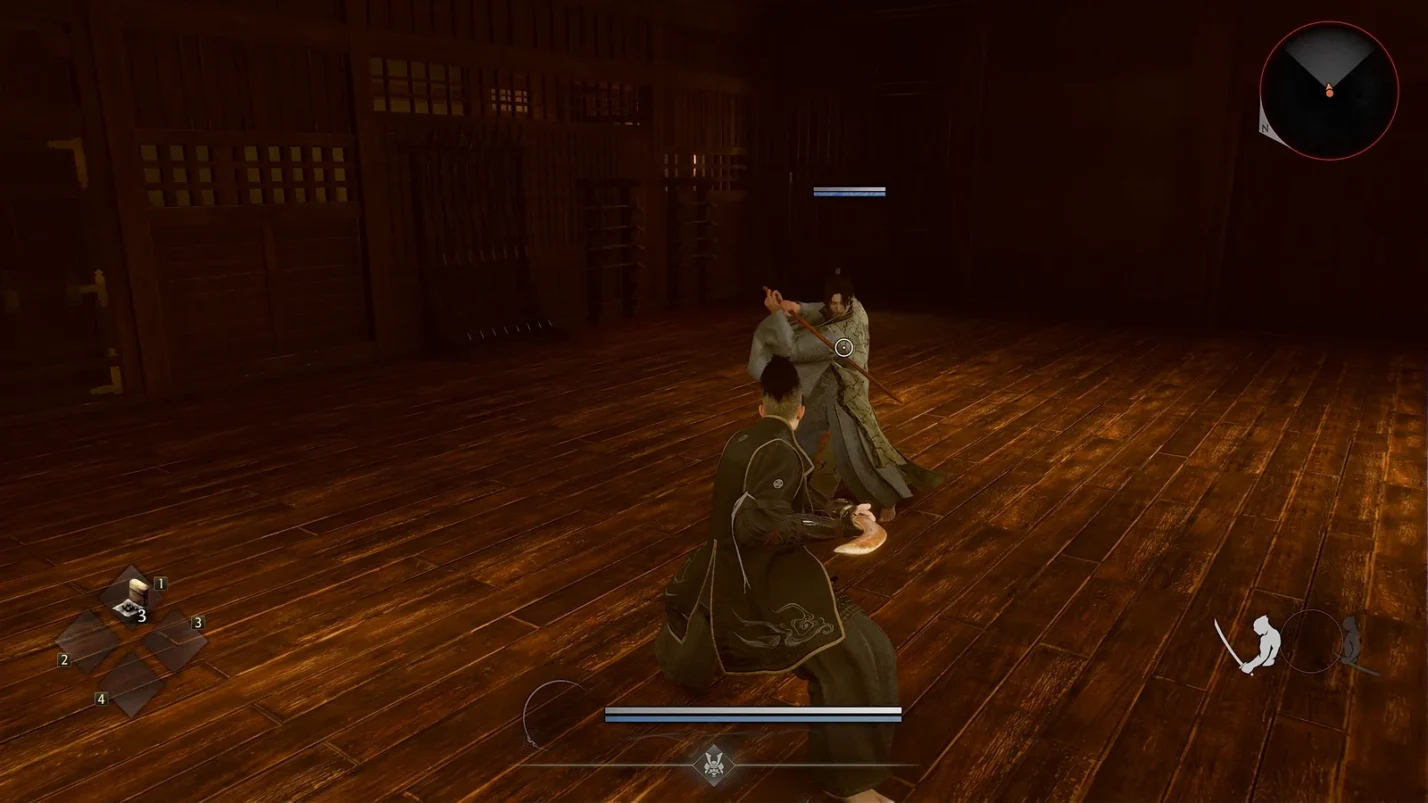
Thankfully, Team Ninja didn’t just make a “bigger” sequel – they reimagined the entire flow of the series. By introducing a dual-stance system that lets you swap between a heavy Samurai and a lightning-fast Ninja on the fly, they’ve added a layer of tactical flexibility that makes its predecessors feel almost restrictive.
It’s a bold step forward that firmly places this title among the best soulslike games currently available.
Combat Revolution: Stance Shifting 2.0
The core of Nioh has always been aggression. While many games like Elden Ring focus on patience and telegraphing, Nioh 3 rewards technical mastery and overwhelming pressure. The classic High, Mid, and Low stances return for the Samurai side, but they now share the spotlight with a completely distinct Ninja mode.
When you swap to the Ninja path, the gameplay loop shifts. You lose the Ki Pulse mechanic, but you gain incredible agility and a dedicated button for Ninjutsu tools like kunai, smoke bombs, and elemental shuriken.
This style is built for “hit-and-run” tactics, allowing you to stay mobile while whittling down an enemy’s health from afar. It makes for an experience that stands out even among the best action RPG games on the market.
The Symphony of Switching
The magic happens when you start weaving styles together. In my experience, the most effective way to handle the new elite Yokai is to use the Samurai High Stance to break their guard, then instantly swap to Ninja mode to perform an aerial combo or rain down projectiles.
This creates a flow that is unmatched in the genre. You aren’t just reacting to boss patterns; you are actively dictating the rhythm of the duel. The difficulty remains high – expect to die frequently to basic mobs if you get cocky – but the tools at your disposal feel more powerful and expressive than ever.
World and Progression in Nioh 3
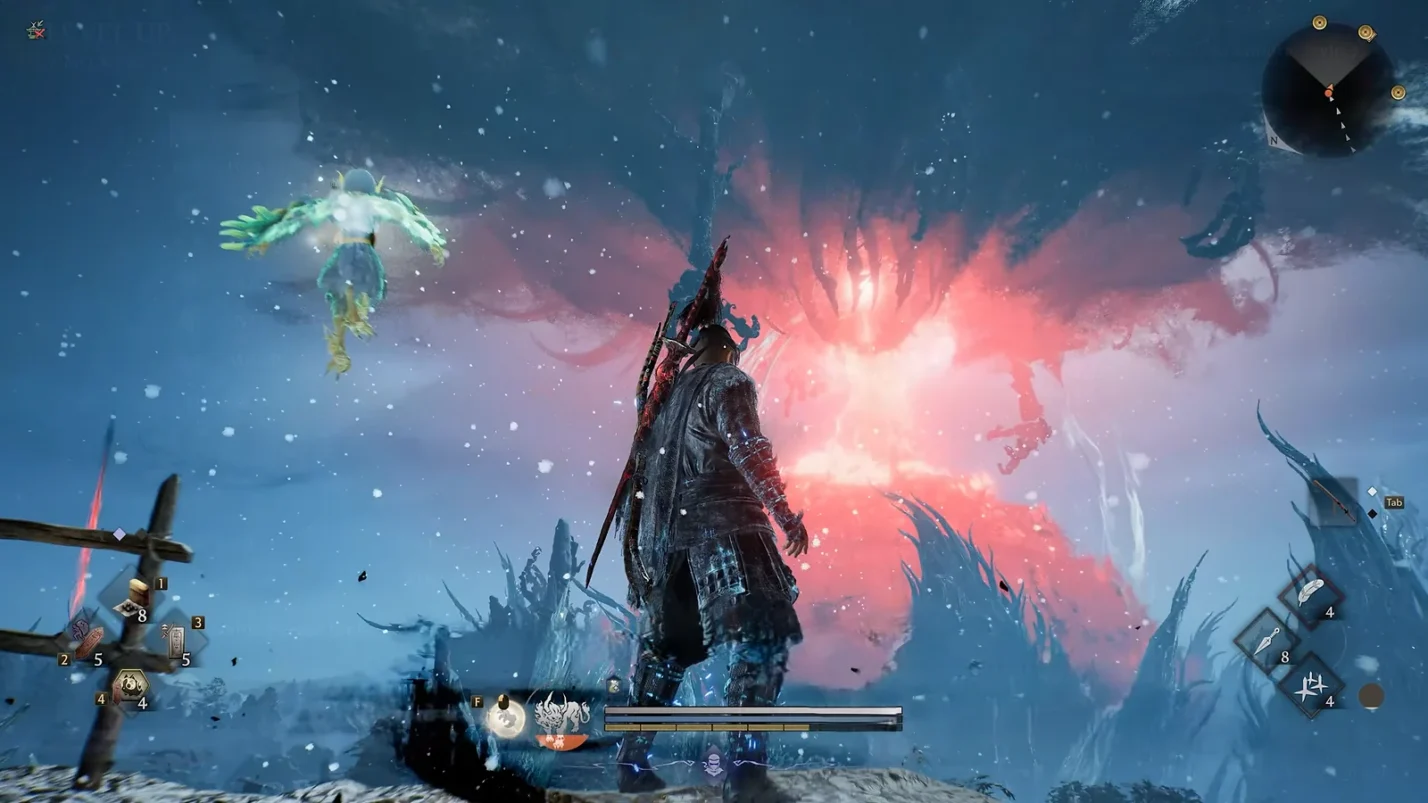
Samurai vs Ninja – A Game-Changing Shift
The Dual Path system isn’t a gimmick. It is the backbone of your character build. In previous titles, you often had to choose between being a tanky warrior or a glass-cannon mage. In Nioh 3, the game encourages you to be both. This depth is why it was one of my most anticipated games in 2026.
The Samurai stance is your anchor. It’s where you’ll spend your time during boss fights, fishing for parries, and managing your Ki. It feels heavy, grounded, and familiar to series veterans.
On the flip side, the Ninja stance is built for mobility. Since this mode doesn’t rely on Ki Pulses, it forces you to manage your stamina in a much more traditional way, creating a constant mental shift that keeps the gameplay from ever feeling stale.
Exploring the Open Field
Team Ninja refers to the new map structure as Open Field. It’s denser and more vertical than the world of Elden Ring. Instead of vast, empty plains, the world is packed with enemy bases, hidden shrines, and Crucibles – twisted mini-dungeons that purify the region once you defeat the guardian within.
This verticality and focus on exploration make it one of the best samurai games ever made.
The pacing is surprisingly tight. You aren’t just wandering around aimlessly; the world is gated by Area Levels that guide you toward the next major story beat while leaving plenty of room for side activities.
The boss design remains top-tier, featuring some of the most grotesque and imaginative Yokai the series has ever seen. The transition from exploration into these boss arenas is seamless, avoiding the “fog wall” fatigue of earlier games.
The Crucibles in Nioh 3: High-Stakes Exploration
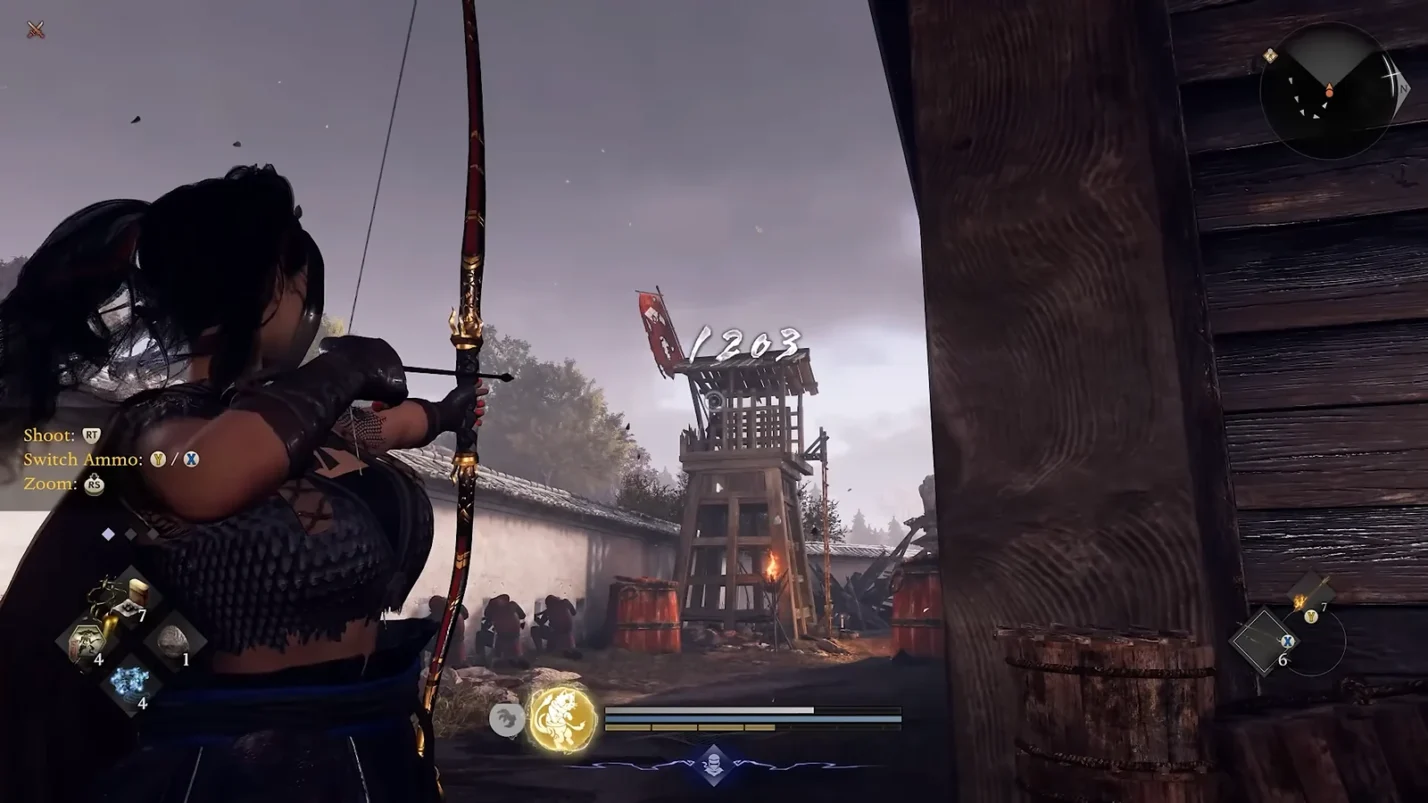
One of the smartest changes in Nioh 3 is how it handles side content. The Crucibles are essentially concentrated pockets of difficulty. Entering one triggers a lockdown, forcing you to fight waves of enemies or a mini-boss in a tight, environment-hazard-filled arena.
Clearing these isn’t just about loot. It opens up new fast-travel points and reveals hidden shortcuts that make traversing the vertical Open Field much easier. It feels like a natural evolution of the “dark realm” mechanic from Nioh 2, but expanded to a massive scale.
Loot, Builds, and Customization in Nioh 3
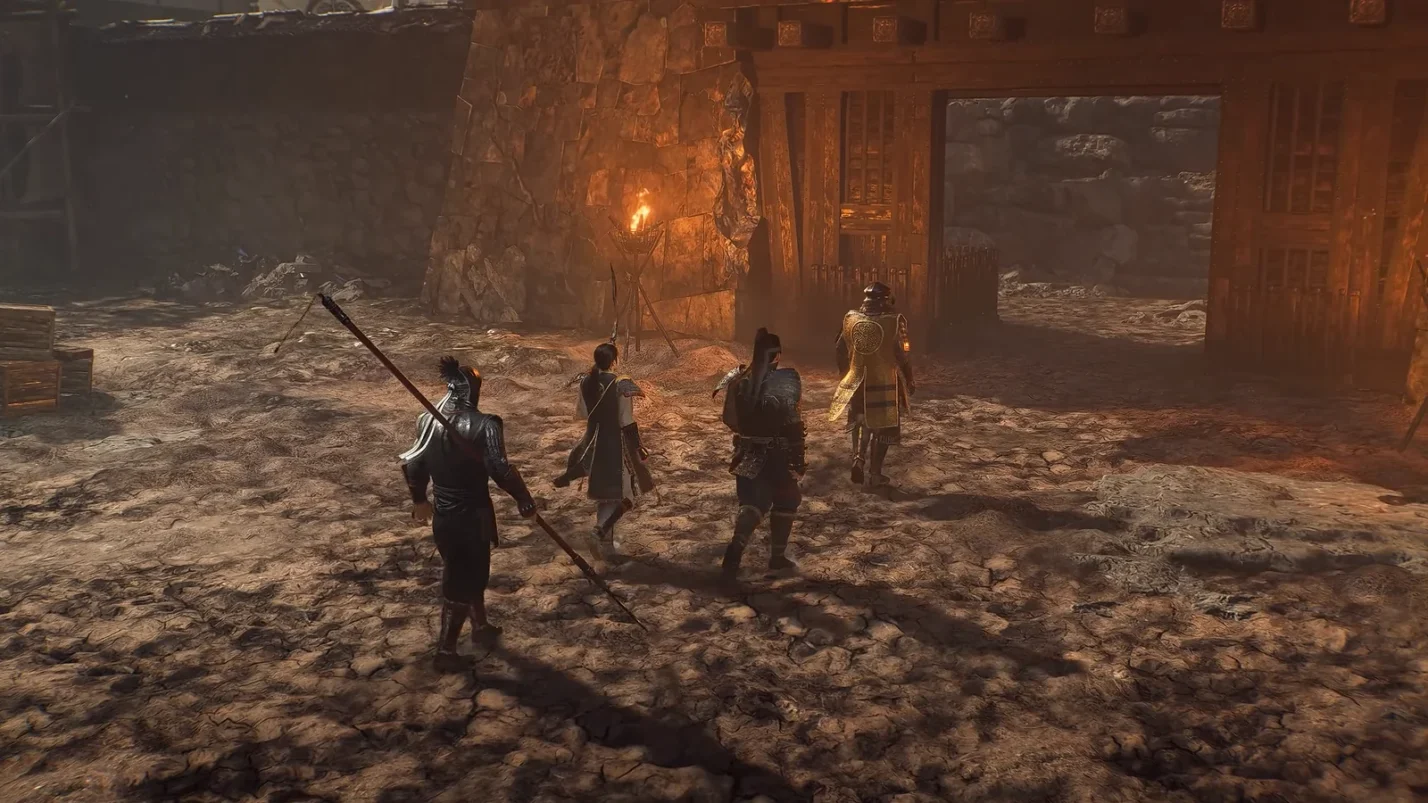
Fashion and Functionality
If you’ve played Nioh 2, you know the loot struggle. You’d finish a mission and have 400 pieces of gear to sort through. Nioh 3 addresses this head-on with a new Auto-Equip feature and a much smarter loot filter.
You can now tell the game to automatically scrap anything below a certain rarity or stat threshold, which keeps you in the action longer.
Depth for the Hardcore
For those who love the “spreadsheet” side of RPGs, the build depth is staggering. The way weapons, armor sets, and Guardian Spirits interact allows for thousands of unique combinations. Whether you want a build focused on poison-drenched Ninja tools or a heavy Samurai who heals on every parry, the game supports it.
The loot system is clearly designed with New Game+ in mind. On your first playthrough, you can mostly get by using the Auto-Equip button to stay competitive. But once you hit the endgame, the hunt for Ethereal drops and perfect stat rolls becomes the primary hook.
The transmog system (refashioning) is also back and better than ever, ensuring you don’t have to look like a pile of mismatched scrap metal just to keep your stats high.
My Overall Verdict on Nioh 3 – It’s a Masterclass In Sequel Design
Nioh 3 is a triumphant evolution that manages to grow in scale without losing its soul. It is a dense, demanding, and ultimately brilliant experience that sets a new bar for how combat should feel in a modern RPG.
While the open-world transitions occasionally hit a few performance snags, the sheer quality of the dual-combat system and the boss encounters make this an easy recommendation.
| Pros | Cons |
|---|---|
| ✅ Dual Path is the best combat mechanic in the genre ✅ Massive world with deep Japanese lore and verticality ✅ Excellent Auto-Equip and loot management tools ✅ Some of the most creative boss fights in years | ❌ Minor frame rate dips in heavy Spirit Realm zones ❌ The story takes a long time to get moving ❌ Certain Ninja tools feel slightly overpowered early on |
Great for: Players who crave deep combat systems and the “just one more boss” loop.
Less ideal for: Gamers who prefer the slower, more atmospheric pace of traditional Soulslikes.