


Minisforum Unveils MS R1 With China Built Arm Chip And PCIe x16 Slot In Compact System



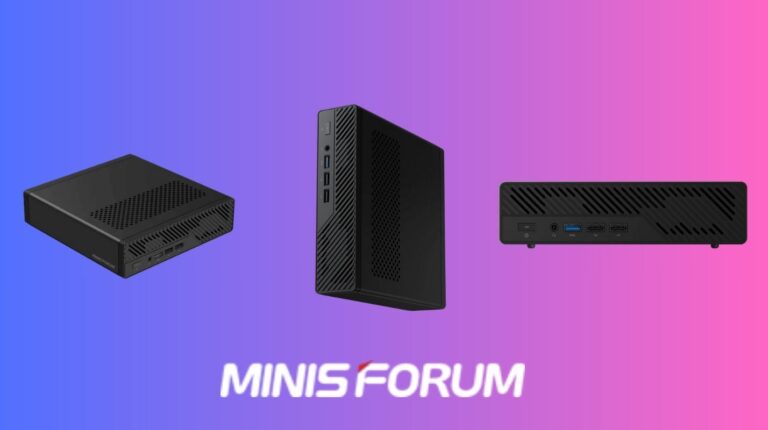
- Minisforum details MS R1 with Arm based China made Cixin P1 processor
- Twelve core configuration includes Cortex A720 and Cortex A520 cores
- PCIe x16 expansion slot supports discrete GPU connectivity
- Availability and pricing remain undisclosed
Jump to:
Minisforum Introduces Its First Arm Desktop Class System
Minisforum has revealed full specifications for the MS R1, marking its first system based on an Arm processor. The device features the Cixin P1 system on chip produced using a six nanometer process. The product was originally shown at Computex earlier this year.
The MS R1 brings a heterogeneous twelve core configuration aimed at balancing performance and efficiency. Reports indicate the chip includes a neural processing unit capable of up to thirty trillion operations per second. The integrated design targets modern computing needs that involve accelerated artificial intelligence workloads.
The company uses the same chassis design from the earlier MS 01 system. The earlier unit relied on an Intel Core i9 13900H processor, but Minisforum now replaces that part with a power efficient Arm based option. The system continues to maintain a desktop class design that can fit varied professional and development environments.
Arm Based Performance With Graphics And Memory Support
The processor inside the MS R1 combines Cortex A720 performance cores and Cortex A520 efficiency cores clocked between 1.8 gigahertz and 2.6 gigahertz. The integrated Immortalis G720 graphics engine is included to handle media and display tasks. The configuration supports LPDDR5 memory to help maintain bandwidth for multitasking and graphical operations.
Minisforum lists several memory variants designed for different professional requirements. Users can choose from 16 GB, 32 GB, or 64 GB LPDDR5 configurations at 5500 megatransfers per second. If error correcting memory is required, the system can be configured with 12 GB, 28 GB, or 60 GB capacities.
Storage is available in modular tiers. Buyers can select a configuration without an SSD or with either 512 GB or 1 TB of storage space. These options target a range of customers from lightweight testing environments to more intense workloads that require larger local storage resources.
Debian Based Software And Discrete GPU Expansion
The MS R1 ships with a custom Debian 12 operating system that is built around Linux. Minisforum confirms that users can install standard Debian 12 or Debian 13 distributions. This flexibility positions the system as a tool for developers and testers exploring Arm platforms for future applications.
One of the standout hardware features is the inclusion of a PCIe 4.0 x16 expansion slot. This type of connectivity is rarely found in Arm based systems of this size. The slot allows support for discrete graphics or other professional grade expansion cards that enable workstation level enhancement.
The chassis measures 196 by 189 by 48 millimeters and weighs 1.35 kilograms. The compact footprint pushes the MS R1 into a unique technology segment where size does not eliminate advanced functionality. Its Linux environment and modular configurations may attract interest from experienced users who rely on open software ecosystems.