

Chaos Zero Nightmare Mixes Horror, Deckbuilding, And Gacha Mechanics



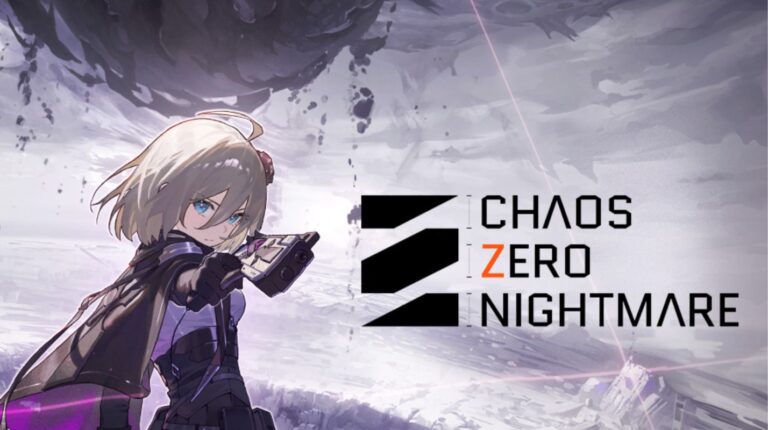
- Chaos Zero Nightmare launches worldwide on mobile and PC
- The game merges roguelike deckbuilding with gacha hero collection
- Players navigate psychological horror aboard a ship consumed by Chaos
- Early response mainly points toward problems with access to the game
Jump to:
Global Launch Marks A New Experiment In Mobile Gaming
Super Creative and Smilegate have officially launched Chaos Zero Nightmare, a dark fantasy deckbuilding roguelike available on Android, iOS, and PC via the STOVE client. The day before the game was officially released on Oct. 22, 2025, the game already ranked number one in the App Store.
The release introduces players to a decaying world where the concept of Chaos manifests as both enemy and system. It is the first major attempt by the developer to fuse cinematic storytelling, turn-based strategy, and mobile gacha economics into a single experience.
Set aboard the SS Nightmare, the player leads a crew through zones of spreading corruption. Each journey begins with a small team, a modest deck of cards, and a growing sense of dread. The structure resembles a roguelike at its core, with choices, branching paths, and escalating risks shaping each expedition.
“From the start, our goal was to create a unique and deeply immersive gameplay experience, something you would not find in other games,” Chaos Zero Nightmare Game Director, Kim Hyung Suk, said in a developer’s letter on the game’s official website.
“We wanted the journey of surviving in a desolate world together with characters you grow attached to become a lasting memory for every player.”
Smilegate positions the title as a premium-level mobile experience, complete with motion-animated skill sequences and voice-acted cinematics. The production scale matches that ambition, but so does the complexity. Beneath the visuals lies a detailed web of mechanics built to reward calculated play and long-term engagement.
A Roguelike Heart Wrapped In A Gacha Shell
Chaos Zero Nightmare’s central loop borrows the bones of traditional deckbuilders. Every run begins with a randomized route of encounters and the familiar grind toward a boss battle. Players draw from a deck composed of cards contributed by each character in their team.
The roguelike foundation is layered with persistent progression systems. Completing runs yields resources that permanently enhance future attempts, ensuring incremental advancement even after defeat. This structure encourages experimentation without punishing risk.
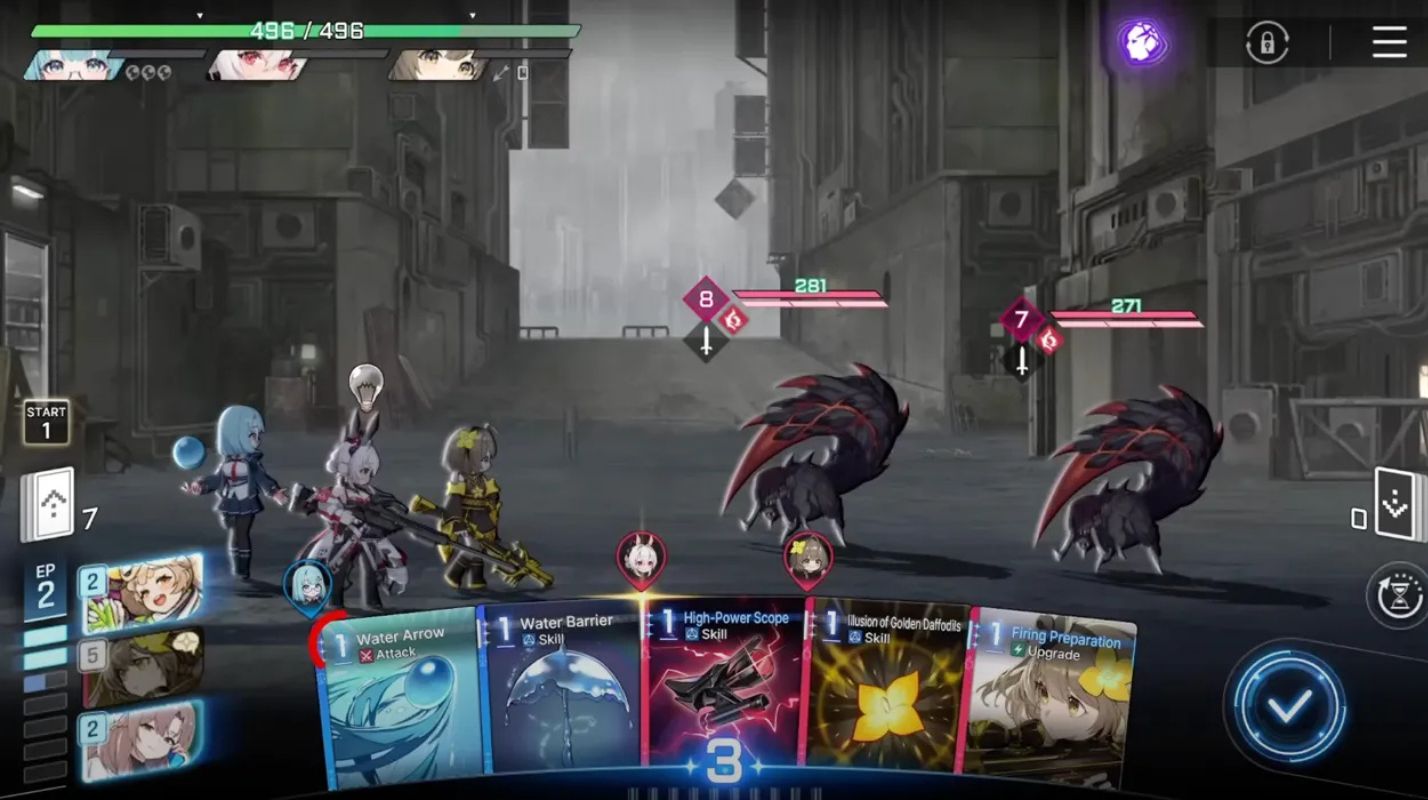
The gacha component drives the game’s economy. New characters are acquired through banners that promise a mixture of predictability and chance. Community analysis of the early banners has already drawn comparisons to other large-scale gachas in both generosity and frustration.
“Twenty min reroll for 30 pulls. Don’t waste your time. Just enjoy the game for what it is or don’t: 10,000/10 gameplay with a 1/10 gacha,” breezy posted on X.
A Mood Drenched In Digital Dread
The tone of Chaos Zero Nightmare leans closer to psychological horror than fantasy adventure. The ship is rendered in oppressive shades of steel and shadow, populated by enemies that seem less born than imagined. Super Creative’s design emphasis on atmosphere is unmistakable.

The stress system, an internal meter that reacts to player choices, adds another layer of consequence. Characters can suffer mental strain when events spiral out of control, altering their effectiveness in subsequent fights, an interesting mechanic for a mobile game.
As far as the characters go, fans of anime and jiggle physics will not be disappointed. There are only 21 characters available on release with 18 being female, each looking like they would make every member of Collective Shout and Sweet Baby Inc lose sleep at night.
Community Reception And Early Concerns
Initial reviews and player discussions present a divided picture with fans praising the ambition behind fusing deckbuilding and hero collection, while others note that the economic model still follows familiar patterns of gacha monetization.
Performance on both mobile and PC have left the community wanting. Reports mention server congestion still seven hours after launch. The STOVE integration provides cross-platform continuity, but some users cite interface inconsistencies between touch and mouse input.

“I’d love to play if the game wasn’t crashing while using less than 50% of the resources on my PC,” X user Regoshy commented.
Chaos Zero Nightmare’s longevity will depend on its ability to balance roguelike replay value with fair monetization. The novelty of combining horror, deckbuilding, and gacha is undeniable, but maintaining that balance across future content cycles will test both design philosophy and audience patience.
For now, it stands as an example of how mobile games can still surprise. It is not the easiest sell, nor the most accessible concept, but it is a notable entry in an industry often defined by repetition. If ambition were currency, Super Creative would already be wealthy.
 or
or