


How Do Noise-Canceling Headphones Work? The Complete Guide


How do noise-canceling headphones work to create that bubble of silence around you? I remember wondering about this the first time I put on a pair during a long flight. The constant roar of the engines just faded away, and I could finally enjoy my music without cranking up the volume to dangerous levels.
These devices use a clever combination of physics and technology to reduce unwanted ambient sounds. The magic happens through two main approaches: active noise cancellation that generates opposing sound waves, and passive noise isolation that physically blocks sound from reaching your ears.
In this guide, I will break down the science behind noise-canceling technology and explain why it matters for gamers, commuters, and anyone seeking peace in a noisy world.
Jump to:
How Do Noise-Canceling Headphones Work? The Science Explained
Noise-canceling headphones work by using built-in microphones to detect external sounds, then generating opposite sound waves that cancel out the unwanted noise before it reaches your ears. This process happens in real time, creating a quieter listening environment.
At the heart of active noise cancellation lies a fascinating principle from physics called destructive interference. Sound travels in waves, with peaks (compressions) and troughs (rarefactions). When two waves meet at exactly opposite points, they cancel each other out.
Think of it like two ripples in a pond meeting head-on. If one wave pushes up while the other pushes down with equal force, the water stays flat. Noise-canceling headphones apply this same concept to sound waves in the air around your ears.
The process works like this: tiny microphones on the headphones constantly sample the ambient noise around you. A processor chip then analyzes this incoming sound and generates an inverse sound wave, often called anti-noise. This opposing wave plays through the headphone drivers at the same time as the external noise reaches your ears.
When these two waves meet, they cancel each other out through destructive interference. The result is a significant reduction in the background noise you perceive. This all happens in real time, adjusting constantly as your environment changes.
Active vs Passive Noise Canceling
Not all noise reduction is created equal. There are two distinct approaches that headphones use to block unwanted sound, and each has its own strengths.
What Is Active Noise Canceling?
Active Noise Canceling, or ANC, is a technology that uses powered electronics to reduce unwanted ambient sound by generating opposing sound waves. The noise-cancelling system requires a battery or USB power to function because it actively generates anti-noise signals. This technology excels at blocking low-frequency sounds like airplane engine hum, air conditioning drone, and traffic rumble.
The effectiveness of ANC depends heavily on how quickly the processor can analyze incoming sound and generate the opposing wave. Modern headphones accomplish this almost instantaneously, though some latency is unavoidable.
Passive Noise Isolation
Passive noise isolation works without any electronics. It simply creates a physical barrier between your ears and the outside world. Over-ear headphones achieve this through tight-fitting ear cups with dense padding that form a seal around your ears. Our guide to the best over-ear headphones covers models with excellent passive isolation for those who prefer this approach
In-ear models use silicone or memory foam tips that plug directly into your ear canal. If you are looking to build a complete audio setup, consider pairing your headphones with one of our best gaming headsets for voice communication during multiplayer sessions.
Passive isolation particularly excels at blocking high-frequency sounds like voices and sudden, sharp noises. The material quality and fit of the ear cushions directly impact how much sound gets through. Leather and protein leather pads generally provide better isolation than breathable fabric options.
Types of ANC Technology in Noise-Canceling Headphones
Not all active noise-cancelling systems work the same way. The placement of microphones and how they process sound determines performance in different situations.
Feedforward ANC
Feedforward systems place microphones on the outside of the ear cups. These mics detect ambient noise before it reaches your ears, giving the processor more time to generate the anti-noise signal. This approach works well for mid and high-frequency noise reduction.
The downside is that the feedforward ANC cannot self-correct. It assumes the anti-noise it generates is perfect and has no way to verify the results. Wind noise can also overwhelm external microphones, causing amplification rather than cancellation in some cases.
Feedback ANC
Feedback systems place the microphone inside the ear cup, closer to what you actually hear. This positioning allows the system to correct errors and adjust to varying conditions. It works particularly well with low-frequency rumble.
However, feedback ANC has less processing time since it picks up sound closer to your ear. There is also a small risk of the system accidentally amplifying certain frequencies if not designed carefully.
Hybrid ANC: The Best of Both Worlds
Premium noise-canceling headphones often use hybrid ANC, combining both feedforward and feedback microphones. This approach provides the broadest frequency coverage and most adaptable noise cancellation. External mics catch noise early while internal mics verify and correct the results. Many of our best noise-cancelling headphones use this hybrid approach for maximum effectiveness.
The tradeoff is cost and complexity. Hybrid systems require more microphones, more processing power, and more careful engineering to prevent issues. This is why budget headphones rarely include true hybrid ANC.
What Do Noise-Canceling Headphones Do for Gamers?
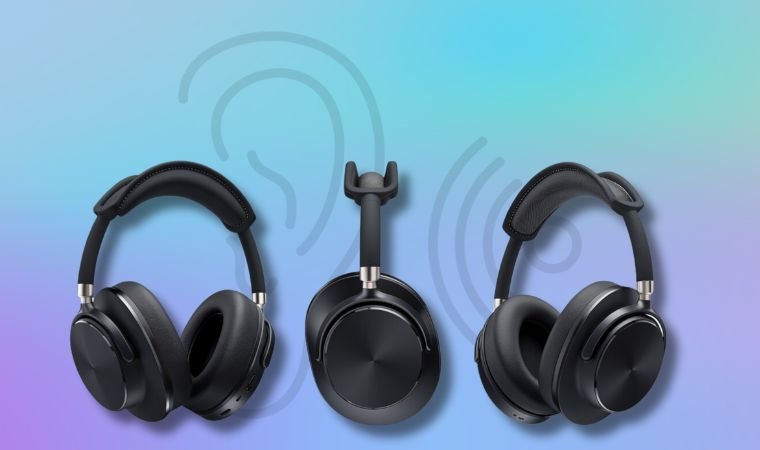
Gaming demands focus and awareness of audio cues that can mean the difference between victory and defeat. Noise-canceling technology offers several advantages for players.
First, ANC lets you hear subtle in-game sounds without cranking the volume to unsafe levels. Footsteps, reloading clicks, and distant explosions come through clearly when background noise fades away. This audio clarity can provide a competitive edge in games where sound positioning matters.
Second, noise cancellation improves voice chat quality. When your headset blocks ambient noise, your teammates hear your callouts more clearly. You also understand their communications better without environmental distractions competing for attention.
For the best gaming experience, I recommend pairing noise-canceling headphones with quality peripherals. Check out our guide to the best wired headphones if you want zero-latency audio for competitive play.
Third, playing in noisy environments becomes possible. I have used noise-canceling headphones during family gatherings and managed to stay immersed in my game despite conversations happening around me. The technology creates a personal audio bubble that keeps distractions at bay.
Limitations of Noise-Canceling Technology
No technology is perfect, and noise canceling headphones have their constraints. ANC works best on steady, predictable low-frequency sounds. It struggles with sudden, sharp noises like dog barks, door slams, or someone shouting nearby. These sounds happen too quickly for the processor to generate an effective anti-noise response.
Some users experience a sensation of pressure or fullness when using ANC headphones. This occurs because the technology removes low-frequency sounds that your ears normally perceive. The brain can interpret this absence as a pressure differential, similar to the feeling during altitude changes.
Battery life is another consideration. Active noise cancellation requires power, so forgetting to charge your headphones means losing the ANC feature. Sometimes learning how to make headphones louder might also help. Some models can still play audio passively, while others become completely non-functional without power.
Tune Out Distractions and Tune Into Your Games
Noise-canceling headphones represent a clever application of physics that transforms how we experience audio. The combination of active noise cancellation, generating anti-noise signals, and passive isolation, physically blocking sound, creates an effective barrier against the noisy world around us.
For gamers, this technology means clearer audio cues, better communication with teammates, and the ability to focus regardless of environmental distractions. If you want to explore all your options, check out our roundup of the best headphones for every budget and use case. The choice between feedforward, feedback, or hybrid ANC depends on your specific needs and budget.
Ready to elevate your gaming audio experience? Browse our selection of PlayStation Store gift cards or Xbox gift cards to grab the latest games and enjoy them with your new noise-cancelling headphones.
FAQs
Yes, noise-canceling headphones work without music playing. The ANC technology operates independently of audio playback, reducing ambient noise even in complete silence. This makes them useful for sleeping, studying, or meditating.
Yes, noise-canceling headphones are safe to use at comfortable volume levels. ANC technology does not emit harmful radiation. It actually protects hearing by allowing lower listening volumes since background noise gets reduced.
The reason why your ears feel pressure with noise-canceling headphones is that ANC removes low-frequency ambient sounds your brain expects to perceive. This absence creates a sensation similar to altitude pressure changes. Lowering ANC intensity often helps.
No, noise-canceling headphones cannot block all sound completely. They work best on low-frequency steady noises like engine hum. Sudden sounds and high-frequency noises like voices remain partially audible due to processing limitations.
Yes, noise-canceling headphones need to be charged because ANC requires battery power to operate. Most models offer 20 to 40 hours of use per charge. Some can still play audio passively when the battery dies.