


9 Best Wi-Fi 7 Router Picks for 2025: Speed & Value

Eneba Hub contains affiliate links, which means we may earn a small commission if you make a purchase through them—at no extra cost to you. Learn more

The best Wi-Fi 7 router I ever used transformed my home setup overnight. My old connection dropped constantly in the back rooms, but after upgrading, everything just worked, even with six devices streaming at once. This article compares nine top routers built for speed, coverage, and future-proofing.
If your current network struggles with buffering, dead zones, or overloaded bandwidth, it’s time to upgrade. You’ll find options here for every need, from compact apartments to multi-story homes and small offices. Let’s find the router that finally solves your Wi-Fi problems.
Jump to:
Our Top Picks for Wi-Fi 7 Routers
Here are three standout Wi-Fi 7 routers from my full list that combine reliable performance, speed, and solid value. These models suit different needs, whether you want a compact home setup, gamer-grade stability, or powerful coverage for multiple devices.
- GL.iNet GL-BE9300 – This router offers reliable coverage and fast Wi-Fi speeds across many devices, ideal for apartments or small homes.
- ASUS RT-BE58U – A strong balance of performance and ease of use, perfect for families and everyday streaming demands.
- ASUS ROG Rapture GT-BE98 Pro – Designed for intense gaming and heavy workloads, which offers stable multi‑gigabit throughput and low latency.
Scroll down to see the full list of nine top routers and choose the one that best fits your space, speed requirements, and device load. If you’re ready to leave Wi‑Fi slowdowns behind, these Wi‑Fi 7 routers bring faster speeds, better reliability, and modern features that make a real difference in day-to-day use.
9 Best Wi-Fi 7 Router Models for Speed & Coverage
These nine Wi-Fi 7 routers stand out for their performance, range, and modern features. Each one suits a specific type of home or user, from gaming to smart home setups. Scroll down to find the best Wi-Fi 7 router that matches your speed, coverage, and budget needs.
1. GL.iNet GL-BE9300 [Best Overall Wi-Fi 7 Router]
| Specs | Details |
|---|---|
| Wi-Fi standard | Wi-Fi 7 (802.11be) |
| Maximum speed | Up to 9.3 Gbps (across 2.4 GHz, 5 GHz, and 6 GHz) |
| Bands | Tri-Band (2.4 GHz, 5 GHz, 6 GHz) |
| Coverage area | Up to 2,000 sq. ft. |
| Number of supported devices | 100+ devices |
| Ports | 5 × 2.5G Ethernet |
| Special Features | WireGuard/OpenVPN support, AdGuard DNS |
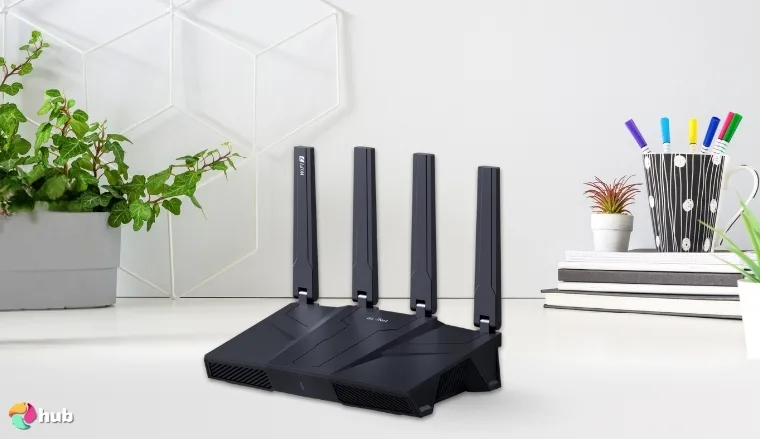
The GL.iNet GL-BE9300 offers one of the most complete feature sets in the Wi-Fi 7 category. With tri-band coverage and a total combined throughput of up to 9.3 Gbps, it easily handles 8K video streaming, online gaming, large file downloads, and multi-device homes without slowdowns. Each band operates independently to reduce interference, while the router’s strong antenna design offers a consistent signal even in larger homes.
Set up the GL-BE9300 using a direct Ethernet connection for full Admin Panel access and faster control over advanced settings.
It comes with five 2.5G Ethernet ports, giving users rare access to high-speed wired backhaul for NAS setups, gaming consoles, or multi-gig internet plans. Unlike many routers that require extra apps or paid services, the GL-BE9300 includes built-in support for WireGuard and OpenVPN, allowing encrypted browsing and remote access without third-party installations.
| Pros | Cons |
|---|---|
| ✅ Wi-Fi 7 speeds up to 9.3 Gbps across three bands ✅ 5 × 2.5G Ethernet ports for multi-gig backhaul and wired performance ✅ Native WireGuard/OpenVPN support for secure network control ✅ AdGuard DNS and parental controls built-in ✅ Stable performance across 100+ connected devices ✅ Easy setup with included web Admin Panel | ❌ Admin Panel requires a wired connection on first use, but setup is straightforward and takes just a few minutes |
Final Verdict: The GL-BE9300 is a rare balance of raw performance, network security, and wired flexibility. It stands out for homes or small offices that demand speed, privacy, and long-term reliability without ongoing subscriptions or complicated installs.
2. ASUS RT-BE58U [Best Budget Wi-Fi 7 Router]
| Specs | Details |
|---|---|
| Wi-Fi standard | Wi-Fi 7 (802.11be) |
| Maximum speed | Up to 3600 Mbps |
| Bands | Dual-Band (2.4 GHz, 5 GHz) |
| Coverage area | Small to mid-size homes |
| Number of supported devices | Moderate to high |
| Ports | RJ-45 LAN/WAN, USB port (4G/5G ready) |
| Special Features | AiProtection Pro, Smart Home Master, MLO support |
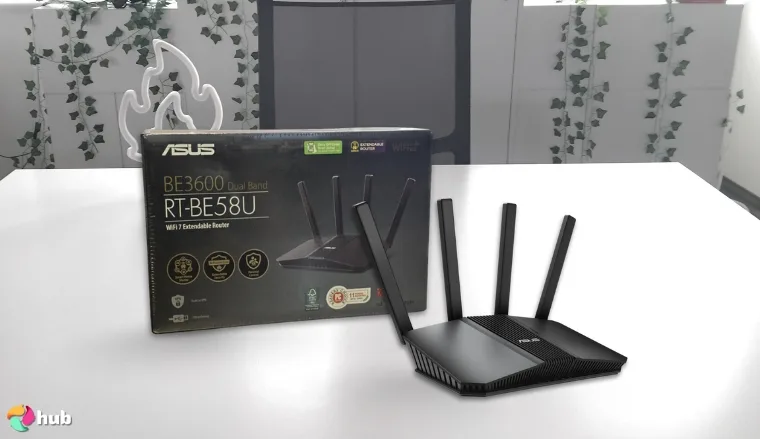
The ASUS RT-BE58U makes Wi-Fi 7 more accessible without cutting essential features. With dual-band support and up to 3600 Mbps, this router brings fast and stable performance to smaller homes or apartments at a lower cost. It uses MLO (Multi-Link Operation) to link multiple bands for more consistent data transfers and smoother connectivity under load.
If your current router lacks consistent speeds across rooms, upgrading to dual-band Wi-Fi 7 like this model can eliminate those weak signal zones.
The unit includes Smart Home Master, which simplifies setting up separate networks for IoT devices, VPNs, and guest access, all from one interface. ASUS also integrates AiProtection Pro, giving users free commercial-grade network security with one-tap scanning and safe browsing. USB failover support adds backup LTE/5G access, rare at this price point.
| Pros | Cons |
|---|---|
| ✅ Affordable Wi-Fi 7 performance at up to 3600 Mbps ✅ MLO offers smoother connections with lower lag ✅ USB WAN port supports 4G/5G mobile backup ✅ Smart Home Master manages multiple SSIDs easily ✅ Built-in AiProtection Pro powered by Trend Micro ✅ Supports VPN, parental control, and network scanning | ❌ Dual-band limits scalability for large homes, but the performance remains strong for small to mid-sized spaces |
Final Verdict: The RT-BE58U is an ideal pick for users who want next-gen speeds and security without paying premium prices. It fits perfectly in homes with moderate usage and offers a reliable upgrade path from older Wi-Fi routers.
3. ASUS ROG Rapture GT-BE98 Pro [Best Wi-Fi 7 Router for Gaming]
| Specs | Details |
|---|---|
| Wi-Fi standard | Wi-Fi 7 (802.11be) |
| Maximum speed | Up to 30 Gbps |
| Bands | Quad-Band (2.4 GHz, dual 5 GHz, 6 GHz) |
| Coverage area | Large homes or gaming setups |
| Number of supported devices | High device count with stable throughput |
| Ports | 2 × 10G ports, 4 × 2.5G ports, USB, RJ-45 |
| Special Features | Triple-Level Game Acceleration, AiProtection Pro, Guest Mode, QoS |
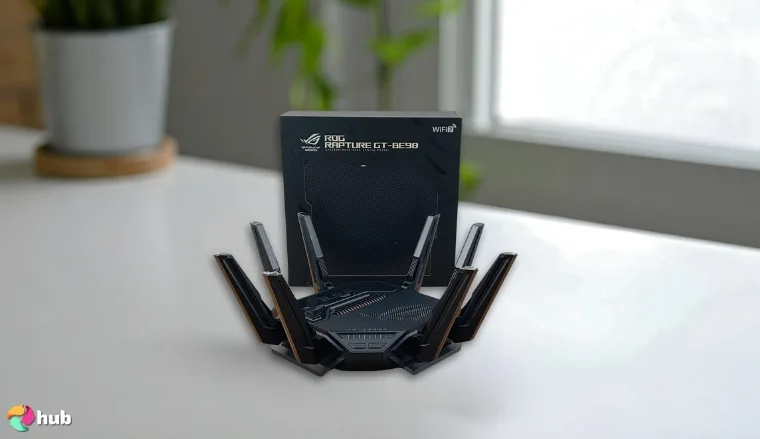
The GT-BE98 Pro is purpose-built for high-performance gaming, which offers serious firepower across both wireless and wired networks. It features quad-band Wi-Fi 7 with new 320 MHz channel support and 4096-QAM for significantly improved throughput.
Assign the 6 GHz band exclusively to your gaming PC or console to eliminate network congestion during matches.
Connectivity is a standout feature. Users gain access to dual 10G ports and quad 2.5G ports, giving full flexibility for multi-gig internet plans, LAN gaming, and NAS setups. The router’s Triple-Level Game Acceleration offers low-latency performance by combining QoS settings, packet prioritization, and optimized server routing for uninterrupted online play.
| Pros | Cons |
|---|---|
| ✅ Quad-band Wi-Fi 7 with up to 30 Gbps throughput ✅ 320 MHz channels and 4096-QAM boost speed and capacity ✅ Dual 10G + quad 2.5G ports for maximum wired flexibility ✅ Triple-Level Game Acceleration prioritizes latency-sensitive traffic ✅ Dual-feeding antenna design improves signal strength and stability ✅ AiProtection Pro includes advanced parental controls and threat blocking | ❌ Size and weight may not suit compact setups, but the design supports excellent airflow and thermal control |
Final Verdict: The GT-BE98 Pro stands out for gamers who need top-tier speed, precise traffic handling, and wired bandwidth to match. It offers a complete solution for high-load households or small teams running heavy-duty applications and online play.
4. TP-Link Deco BE95 [Best Wi-Fi 7 Mesh-Ready System]
| Specs | Details |
|---|---|
| Wi‑Fi standard | Wi‑Fi 7 (802.11be) |
| Maximum speed | Up to BE33000 (11,520 Mbps + 11,520 Mbps + 8,640 Mbps + 1,148 Mbps across bands) |
| Bands | Quad‑Band |
| Coverage area | Large homes and multi‑floor layouts |
| Number of supported devices | 200+ devices |
| Ports | 2 × 10G WAN/LAN, 2 × 2.5G ports, 1 × USB 3.0 |
| Special Features | AI‑Driven Roaming, VPN Server/Client, TP‑Link HomeShield, Wired + Wireless Backhaul |
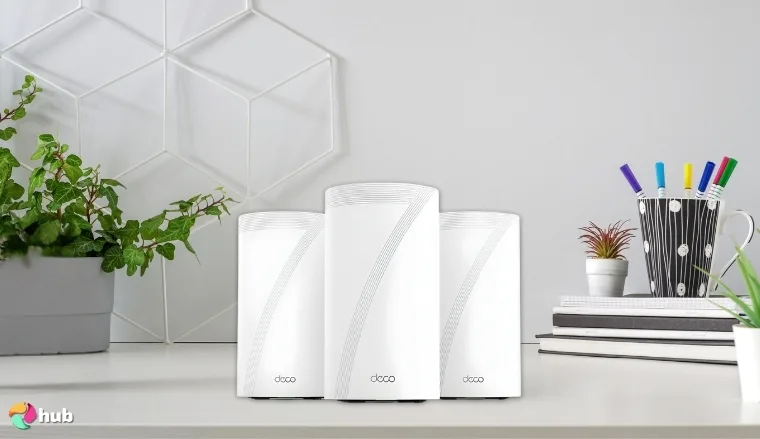
The TP‑Link Deco BE95 stands out as a top mesh Wi‑Fi system for users who need fast and consistent coverage across large homes. Its quad‑band Wi‑Fi 7 performance offers extremely high bandwidth through four separate channels. Each Deco unit links through AI‑Driven Seamless Roaming, and the system forms one unified network name, which keeps phones and tablets connected without interruptions as they move between rooms.
Use wired backhaul between Deco units when possible to unlock maximum multi‑gig stability across all floors.
Connection reliability also receives a boost through two 10G WAN/LAN ports, which support fiber and copper internet plans. Users gain additional value through TP‑Link HomeShield, giving access to network scans, parental controls, and weekly security reports. VPN server and client support provide secure remote access without extra hardware.
| Pros | Cons |
|---|---|
| ✅ Quad‑band Wi‑Fi 7 offers extremely high throughput across every room ✅ AI‑Driven Roaming keeps devices connected without drops ✅ Supports wired and wireless backhaul for flexible installation ✅ Two 10G ports improve future‑proofing for fiber internet plans ✅ Handles over 200 devices with consistent performance ✅ HomeShield adds valuable parental controls and security tools ✅ VPN server and client features support secure remote access | ❌ Premium pricing may exceed smaller home needs, yet the coverage and stability justify it for larger spaces |
Final Verdict: The Deco BE95 suits families and large households that want fast, seamless, whole‑home Wi‑Fi 7 performance. Its mesh design offers reliable coverage, intelligent roaming, and multi‑gig flexibility, which makes it one of the strongest options for expansive homes.
5. TP-Link Archer BE24000 [Best Wi-Fi 7 Router for High-Performance General Use]
| Specs | Details |
|---|---|
| Wi‑Fi standard | Wi‑Fi 7 (802.11be) |
| Maximum speed | Up to 24 Gbps (BE24000) |
| Bands | Quad‑Band (2.4 GHz, 5 GHz, 6 GHz, additional 5 GHz) |
| Coverage area | Large homes and high‑demand networks |
| Number of supported devices | Very high, with 12× internal antennas |
| Ports | 2 × 10G WAN/LAN, 4 × 2.5G ports, 1 × 1G port, 2 × USB |
| Special Features | Touchscreen interface, EasyMesh support, TP‑Link HomeShield |
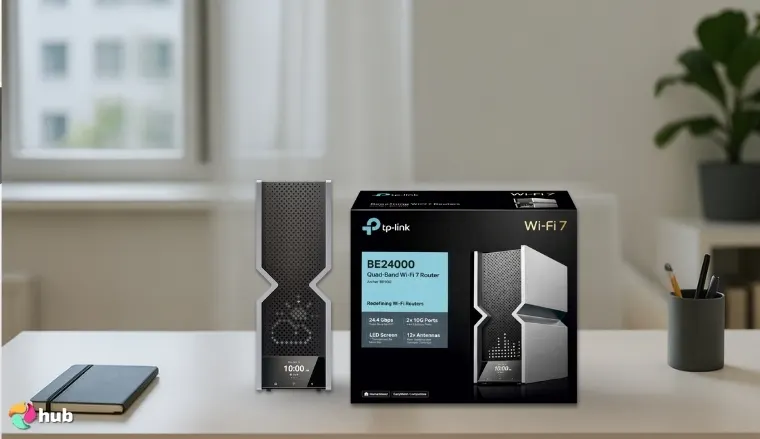
The TP-Link Archer BE24000 combines next-generation speed and flexibility, which makes it one of the best Wi‑Fi router options for power users and families alike. Its quad-band Wi‑Fi 7 structure provides up to 24 Gbps of total throughput, easily supporting large homes with 4K/8K streaming, heavy gaming, and simultaneous smart device activity. A set of 12 internal high-efficiency antennas, enhanced with beamforming, maintains strong signal coverage across wide areas.
Use the 10G Ethernet ports to connect high-bandwidth devices like media servers or gaming PCs directly, unlocking max throughput without interference.
Advanced wired connectivity also sets this router apart. With two 10G WAN/LAN ports and multiple 2.5G ports, users can run multi-gig networks or high-speed backhaul to workstations and NAS setups. TP-Link’s HomeShield suite adds protection with real-time network monitoring, parental controls, and threat scanning, while EasyMesh support opens the door for future expansion with other compatible devices.
| Pros | Cons |
|---|---|
| ✅ Quad-band Wi-Fi 7 speeds up to 24 Gbps for ultra-fast connectivity ✅ Dual 10G ports enable fiber-level throughput and wired expansion ✅ Beamforming and 12 internal antennas improve coverage and signal clarity ✅ HomeShield includes layered security, parental controls, and IoT protection ✅ EasyMesh support allows seamless network expansion ✅ Touchscreen makes quick checks and control more convenient | ❌ Large size may not suit compact shelves, although it adds airflow and visibility with its LED interface |
Final Verdict: The Archer BE24000 is designed for users who expect high performance, stable coverage, and modern control features in one premium device. Its design and features make it a strong pick for anyone searching for the best Wi‑Fi 7 routers for general use.
6. NETGEAR Nighthawk RS140 [Best Wi-Fi 7 Router for Households]
| Specs | Details |
|---|---|
| Wi‑Fi standard | Wi‑Fi 7 (802.11be) |
| Maximum speed | Up to 5.0 Gbps |
| Bands | Dual‑Band (2.4 GHz, 5 GHz) |
| Coverage area | Up to 2,250 sq. ft. |
| Number of supported devices | Medium to high device count |
| Ports | 1 × 2.5G WAN/LAN port |
| Special Features | Internet Security, compact design with high-gain antennas |
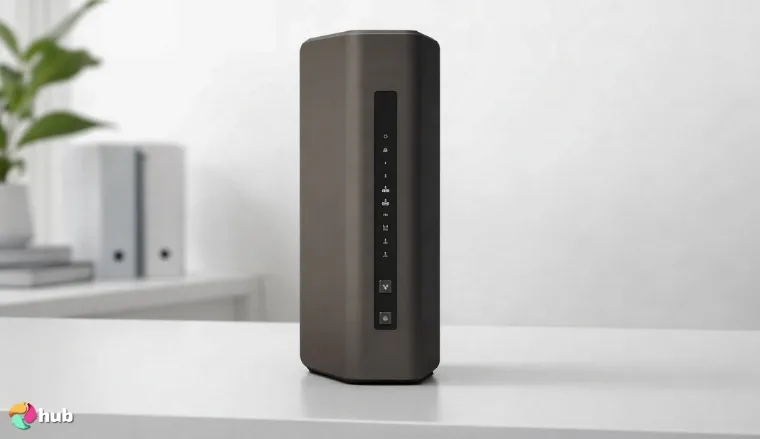
The NETGEAR Nighthawk RS140 is a strong option for families and households that need fast and stable Wi‑Fi without stepping into mesh or high-end gaming territory. Its Wi‑Fi 7 support boosts wireless performance up to 5.0 Gbps, providing smooth streaming, video calls, and online gaming with less lag across multiple devices. With coverage extending to 2,250 sq. ft., the compact chassis and high-gain antennas offer enough range to serve most single-floor or mid-size homes effectively.
Connect directly through the 2.5G port to take full advantage of multi-gig service from your ISP.
NETGEAR includes a 2.5G WAN/LAN port, allowing support for modern multi-gig internet plans from fiber or high-speed cable providers. Compared to previous generations, this model offers 1.2x faster speeds than Wi‑Fi 6, helping reduce congestion in busy networks. For users seeking the top router for large house coverage without excessive cost or complexity, this model offers a dependable middle-ground.
| Pros | Cons |
|---|---|
| ✅ Up to 5.0 Gbps Wi‑Fi 7 speed for faster everyday use ✅ Covers homes up to 2,250 sq. ft. with strong internal antennas ✅ 2.5G port supports multi-gig internet plans ✅ 1.2x faster than Wi‑Fi 6 with better performance under load ✅ Compact design fits easily in most setups ✅ Built-in internet security provides always-on protection | ❌ Lacks a 6 GHz band and extra ports, though its stability and speed remain solid for typical home use |
Final Verdict: The RS140 is a reliable upgrade for families and users who want strong Wi‑Fi 7 performance, stable coverage, and easy setup without overpaying or overcomplicating their network.
7. ASUS RT-BE88U [Best Wi-Fi 7 Router for Heavy Multi-Device]
| Specs | Details |
|---|---|
| Wi‑Fi standard | Wi‑Fi 7 (802.11be) |
| Maximum speed | Up to 7200 Mbps |
| Bands | Dual‑Band (2.4 GHz, 5 GHz) |
| Coverage area | Medium to large households |
| Number of supported devices | Very high, with up to 5 SSIDs and AiMesh support |
| Ports | 1 × 10G SFP+, 1 × 10G WAN/LAN, USB, additional Ethernet ports |
| Special Features | AiMesh, Guest Network Pro, AiProtection Pro, VPN, 4G/5G USB WAN |
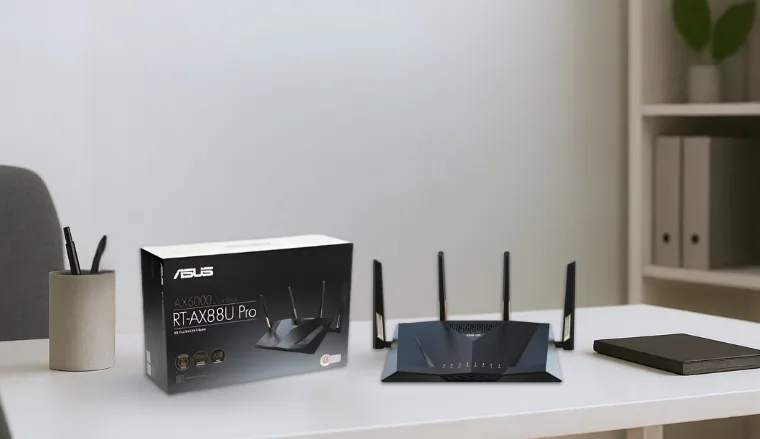
The ASUS RT-BE88U offers high capacity and network consistency for homes or shared spaces where many devices connect at once. With Wi‑Fi 7 throughput up to 7200 Mbps, it maintains smooth performance for streaming, gaming, and smart-home systems, even under heavy network loads. The router includes dual 10G ports, giving users the option to scale their wired network up to 34 Gbps using both fiber and copper connections.
Use both 10G ports simultaneously to separate gaming or work traffic from everyday streaming and browsing.
In addition, ASUS equips the RT-BE88U with AiMesh compatibility, allowing users to extend coverage without losing stability across rooms. Its Guest Network Pro supports up to five SSIDs, enabling clean separation between IoT, VPN, and user profiles. For users seeking the best ASUS router for demanding homes with dozens of simultaneous devices, the RT-BE88U offers robust performance, high-speed ports, and enterprise-grade tools in one solid build.
| Pros | Cons |
|---|---|
| ✅ Offers Wi‑Fi 7 speeds up to 7200 Mbps with Multi‑Link Operation ✅ Dual 10G ports (SFP+ and RJ‑45) support wired speeds up to 34 Gbps ✅ Supports 5 SSIDs with Guest Network Pro for flexible device control ✅ AiMesh expands coverage while maintaining network performance ✅ Built-in AiProtection Pro includes threat scanning and VPN tools ✅ Handles high traffic loads without throttling or dropouts | ❌ Lacks 6 GHz band, but compensates with powerful dual-band range and wired flexibility |
Final Verdict: The RT-BE88U is an efficient solution for families or shared living spaces that need reliable multi-user performance. Its hardware and network management features make it ideal for high-demand, high-traffic households.
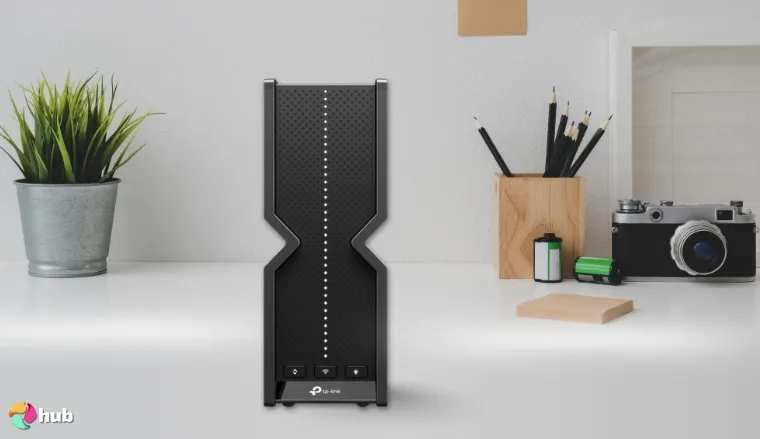
8. TP-Link Tri-Band BE15000 [Best Wi-Fi 7 Router for Future-Proof Speed & Flexibility]
| Specs | Details |
|---|---|
| Wi‑Fi standard | Wi‑Fi 7 (802.11be) |
| Maximum speed | Up to 15,000 Mbps (BE15000) |
| Bands | Tri‑Band (2.4 GHz, 5 GHz, 6 GHz) |
| Coverage area | Large homes and multi-room setups |
| Number of supported devices | High device count |
| Ports | 1 × 10G WAN, 1 × 2.5G LAN, 3 × 1G LAN |
| Special Features | EasyMesh, TP-Link HomeShield, Multi-Link Operation |
The TP-Link BE15000 offers a strong balance of long-term speed and everyday usability by leveraging tri-band Wi‑Fi 7 architecture. It supports simultaneous connections across the 2.4 GHz, 5 GHz, and 6 GHz bands, allowing devices to spread across frequencies for improved stability. This setup guarantees that throughput remains high even during peak usage, especially in busy homes with multiple users. The router reaches speeds up to 11,520 Mbps on the 6 GHz band alone.
Assign bandwidth-intensive devices like media servers to the 6 GHz band to prevent slower legacy devices from competing for speed.
Connectivity options are forward-facing. With one 10G WAN port, one 2.5G LAN, and three 1G LAN ports, users can integrate the router into multi-gig networks with minimal upgrades. The system supports EasyMesh expansion, allowing you to extend reliable coverage as your needs grow. Integrated HomeShield tools include security monitoring, parental controls, and device-specific reports. If you’re building a mesh setup around high-performance gaming, this router also pairs well with the best Wi-Fi extender for gaming.
| Pros | Cons |
|---|---|
| ✅ Tri-band Wi‑Fi 7 with combined speeds up to 15,000 Mbps ✅ Supports future-ready devices on the 6 GHz band ✅ Includes 10G and 2.5G ports for high-speed wired connections ✅ HomeShield offers security scanning and family controls ✅ EasyMesh support enables seamless expansion ✅ Excellent choice for 2 Gbps+ fiber internet plans | ❌ Lacks USB ports for local file sharing, although network performance remains strong for cloud-based workflows |
Final Verdict: The BE15000 is ideal for users who want to combine high-speed performance, strong coverage, and future-ready flexibility in one capable Wi‑Fi 7 router. Its tri-band layout and wired options support a wide range of use cases across modern homes.
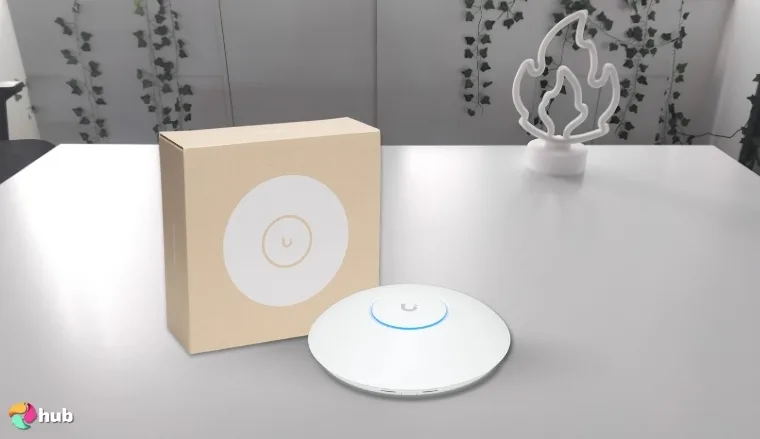
9. Ubiquiti Networks UniFi 7 Pro [Best Wi-Fi 7 Router for Power Users & Smart Home]
| Specs | Details |
|---|---|
| Wi‑Fi standard | Wi‑Fi 7 (802.11be) |
| Maximum speed | Wi‑Fi 7 class with 6 GHz support |
| Bands | Dual‑Band (2.4 GHz, 6 GHz) |
| Coverage area | Designed for large-scale, high-density spaces |
| Number of supported devices | High, with 6 spatial streams |
| Ports | 1 × 2.5 GbE uplink port |
| Special Features | Ceiling-mounted design, WPS, enterprise-grade architecture |
The UniFi 7 Pro is engineered for demanding users who require seamless control, minimal interference, and advanced network performance across multiple devices. It offers Wi‑Fi 7 capability with a focus on large-scale environments, using 6 spatial streams and 6 GHz band support to deliver strong signal integrity and high-speed access. Its ceiling-mounted access point design offers wide, evenly distributed coverage.
Mount the UniFi 7 Pro in a central ceiling location to take full advantage of its spatial stream design and coverage potential.
Additionally, the unit integrates easily with Ubiquiti’s broader UniFi ecosystem, allowing power users to access detailed network management and monitoring features. This access point works well in spaces where conventional routers fall short due to interference or layout limitations.
| Pros | Cons |
|---|---|
| ✅ Wi‑Fi 7 with 6 spatial streams for high-density performance ✅ 6 GHz support reduces congestion and improves signal clarity ✅ Ceiling-mount form factor distributes signal across large areas ✅ Strong fit for smart home automation and enterprise-style control ✅ Integrates with UniFi Controller for advanced network management ✅ Excellent choice for power users and structured environments | ❌ Lacks integrated ports or standalone router features, though it excels as part of a larger managed network |
Final Verdict: The UniFi 7 Pro offers high-end reliability for users who want enterprise-level connectivity and total configuration control. It performs best in structured environments where ceiling-mounted access points outperform standard routers.
What Wi‑Fi 7 Offers
Wi‑Fi 7 (IEEE 802.11be) is the newest generation of wireless technology, designed to improve speed, stability, and efficiency across all modern internet applications. It brings key enhancements that benefit everyone from gamers to streamers, professionals, and smart-home users. Below are the major advancements that define Wi‑Fi 7:
- Much faster speeds
Offers theoretical speeds of over 40 Gbps, which is four to five times faster than Wi‑Fi 6. This benefits users who need a top router for streaming, large file transfers, or advanced cloud applications. - 320 MHz channel support
Doubles the bandwidth compared to previous generations. This allows more data to move simultaneously, especially useful for smart homes or anyone using the best VPN router to handle encrypted high-speed traffic. - 4096 QAM (Quadrature Amplitude Modulation)
Increases the amount of data transmitted in each signal. More efficient transmissions translate to higher real-world speeds and improved performance under load. - Multi-Link Operation (MLO)
Enables devices to connect across multiple frequency bands at the same time. This reduces latency, increases stability, and helps devices hold their connection better when switching rooms or handling sensitive applications like remote work or VR. - Lower latency
Essential for gamers and video callers, this feature improves response times, which makes Wi‑Fi 7 a great fit for anyone looking for the best gaming router or a smoother video call experience. - Better performance in congested environments
Designed to perform well in high-density areas like apartments or homes with dozens of connected devices. Wi‑Fi 7 adapts dynamically to traffic and interference, keeping speeds consistent even under pressure.
Together, these features make Wi‑Fi 7 a major leap in home and office connectivity – and a strong foundation for future-proof setups.
My Overall Verdict
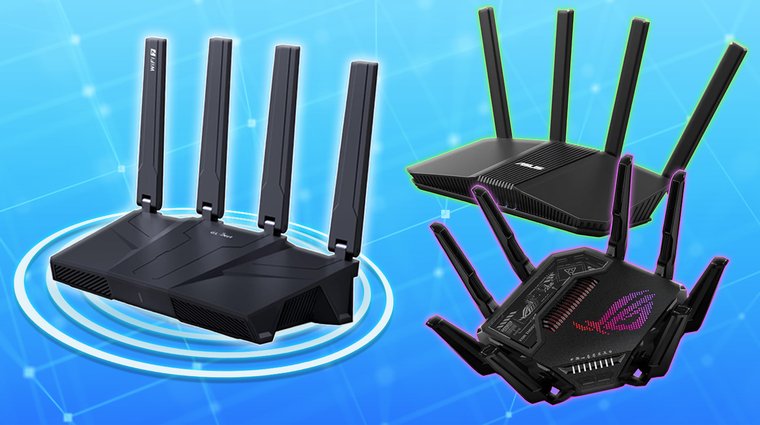
If you’re upgrading from Wi‑Fi 5 or 6 and want a faster, more stable network without overcomplicating things, these four routers are an excellent place to start. Each offers a unique mix of features, price, and performance – and they’re ready for the next generation of streaming, work, and gaming.
- GL.iNet GL-BE9300 – Best all-rounder for performance, flexibility, and wired connectivity. It handles 100+ devices, supports VPNs natively, and includes five 2.5G ports for high-speed backhaul or gaming setups.
- ASUS RT-BE58U – A reliable, budget-friendly Wi‑Fi 7 router for smaller homes or apartments. It offers up to 3600 Mbps with MLO support and adds USB WAN fallback, built-in security, and parental controls.
- ASUS ROG Rapture GT-BE98 Pro – Perfect for serious gamers and power users who need quad-band 30 Gbps speeds, dual 10G ports, and triple-level traffic prioritization. One of the fastest Wi‑Fi 7 routers available.
- NETGEAR Nighthawk RS140 – A simple and dependable pick for families who want fast Wi‑Fi across 2,250 sq. ft. without the complexity of mesh systems or enterprise hardware.
Whichever model you choose, upgrading to Wi‑Fi 7 means faster speeds, lower latency, and better handling of crowded networks. These routers strike the right balance between futureproofing and everyday usability. If you’re also wondering about your security VPN router is a good option to consider.
FAQs
The best Wi‑Fi 7 router is GL.iNet GL‑BE9300. It offers fast speed, strong coverage, and reliable multi‑device support for homes, offices, and gaming setups.
Yes, it is worth buying a Wi-Fi 7 router. These kinds of routers offer faster speeds, lower latency, and better stability than some of the older Wi‑Fi standards.
Yes, Wi-Fi 7 is really better than 6E. Wi‑Fi 7 improves speed, efficiency, throughput, and stability even on the 6 GHz band used by Wi‑Fi 6E. It also adds Multi‑Link Operation, 320 MHz channels, and 4096‑QAM, which give it higher performance in both everyday and demanding network environments.
Yes, Wi-Fi 7 can go through walls, but performance still varies by wall thickness and materials. Wi‑Fi 7 improves signal efficiency and device handling, so it often performs better than older standards in multi‑room setups.
No, Wi-Fi 7 is not faster than Ethernet. Ethernet remains faster and more consistent for stable multi‑gig connections. Wi‑Fi 7 can approach multi‑gigabit speeds, but wired links still offer lower latency and better reliability.