


Pokémon Pokopia Review: A World Rebuilt by Ditto




An important note before diving into a Pokémon Pokopia review is that this series has spent 30 years refining the art of creature collecting and turn-based battles. Pokémon Pokopia decides to politely ignore that formula and instead hands you a shovel, a handful of seeds, and a gelatinous blob with identity issues.
Released for the Nintendo Switch 2, Pokopia swaps gym badges and elite fours for something far stranger: a post-human Pokémon world where you rebuild civilization from scratch. You wake up as a Ditto in a ruined landscape, haunted by faint memories of your old trainer, and eventually reshape yourself into a vaguely human form to start fixing things.
Instead of catching monsters, you attract them. Instead of battling, you terraform. Instead of saving the world through combat, you make it livable again. Somehow, it works brilliantly – as evidenced by currently sitting as the highest-rated Pokémon game of all time on Metacritic. Keep reading my Pokémon Pokopia review to see what else the game has in store.
Jump to:
TL;DR – Pokémon Pokopia Review Overview
| Core gameplay identity | A cozy habitat-building sandbox where you restore ecosystems and construct a Pokémon town. |
| Biggest upgrades | Switch 2 visuals, dynamic environmental restoration, and a transformation system that lets Ditto borrow abilities from other Pokémon. |
| Main criticisms | Block-placement controls can feel fiddly in tight areas, and the new physical cartridge format still requires a hefty download. |
| Clear verdict | A bold spin-off that turns Pokémon into a surprisingly heartfelt world-building sim. |
Pokémon Pokopia: Pokémon Game With No Humans
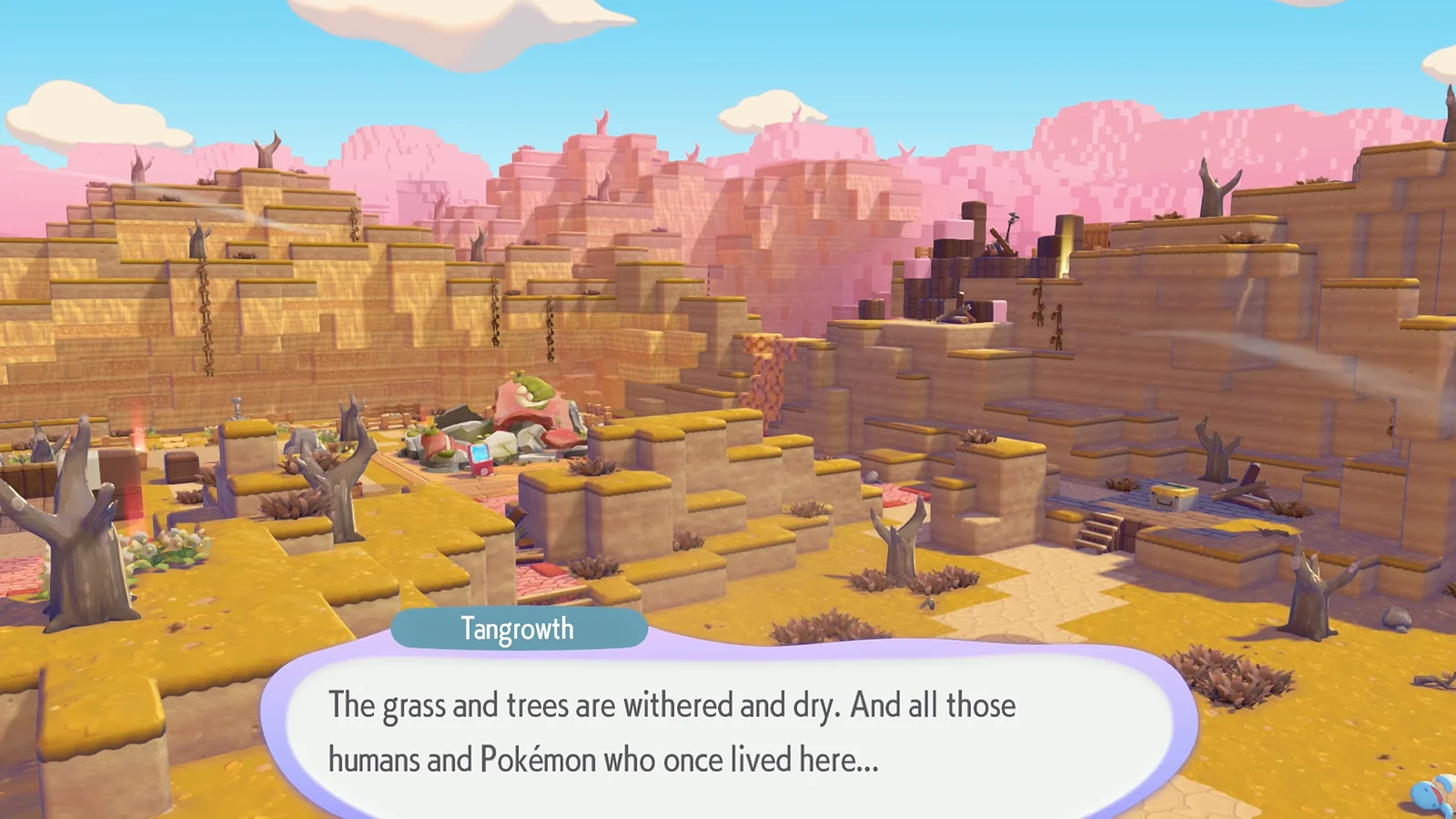
I’ll start my Pokémon Pokopia review with the fact that the game opens with a surprisingly poignant premise – a Pokémon world continuing after humanity quietly vanished.
What remains is a crumbling landscape dotted with lonely Pokémon trying to survive in the ruins of old towns and infrastructure. You, a wobbling purple Ditto, awaken in the middle of it all and decide to recreate the thing that vanished (human society) with the help of Pokémon and a lot of landscaping.
Your guide through this weird new frontier is Professor Tangrowth, a sentient shrub wearing glasses and carrying a data disc like a botanical mad scientist. He quickly assigns you the job of rebuilding habitats so Pokémon can move back in and start thriving again.
Playing as Ditto Is the Best Idea the Series Has Had in Years
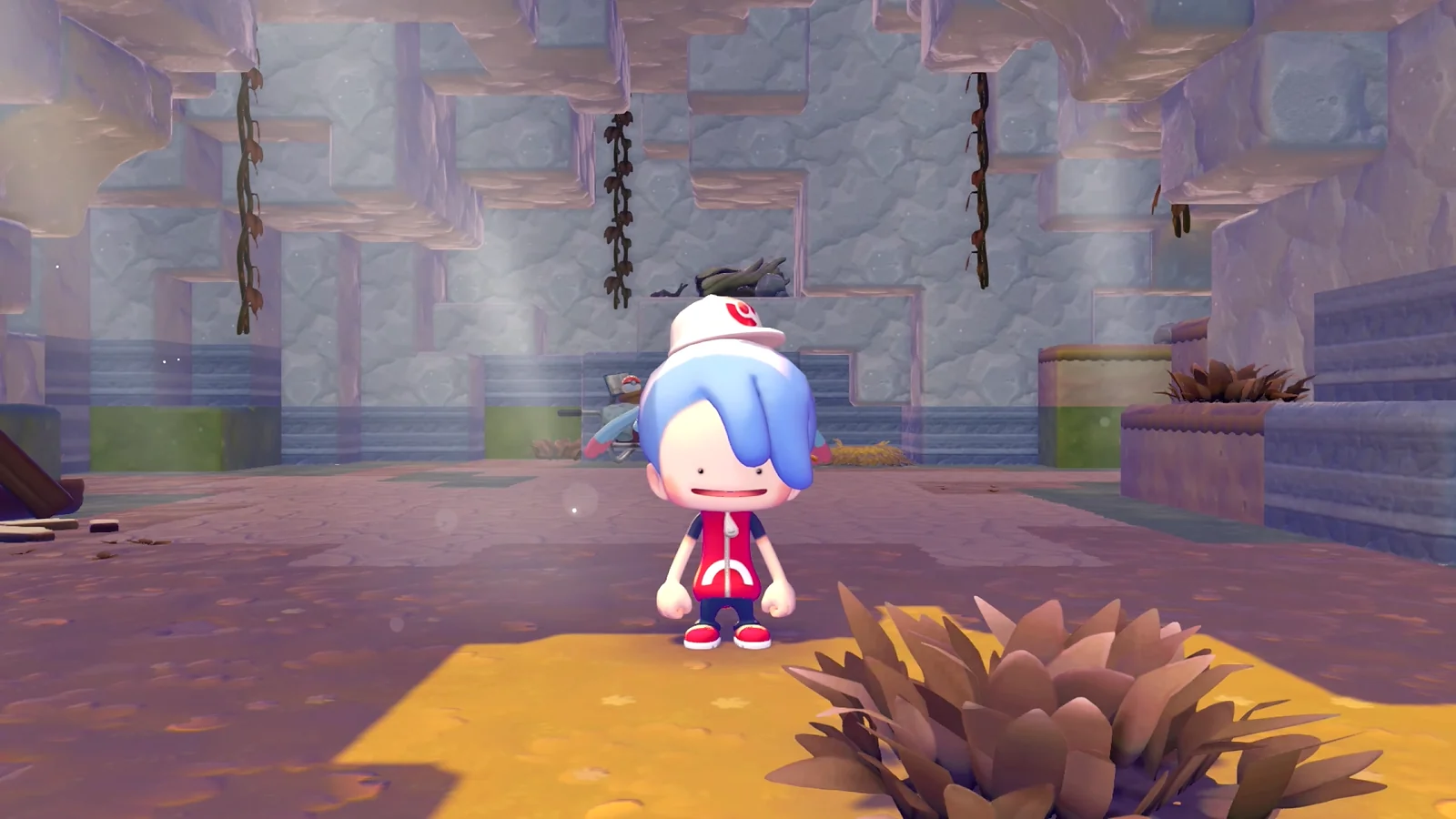
No Pokémon Pokopia review is complete without making a note of how Pokopia’s most inspired decision is making Ditto the protagonist. Rather than leveling up through combat, Ditto learns by imitation. Every Pokémon you befriend unlocks a new environmental ability.
Examples include:
- Bulbasaur’s vines for growing plants and shaping terrain
- Squirtle’s Water Gun for irrigation and river creation
- Scyther’s Cut for clearing trees and debris
Each transformation temporarily morphs Ditto’s gooey body into the right tool for the job. The result feels somewhere between a Pokémon RPG and a sandbox builder like Minecraft.
There’s even a nostalgic touch: every time Ditto learns a new move, the classic Pokémon level-up jingle plays.
Habitat Design Is the Real “Catching” Mechanic
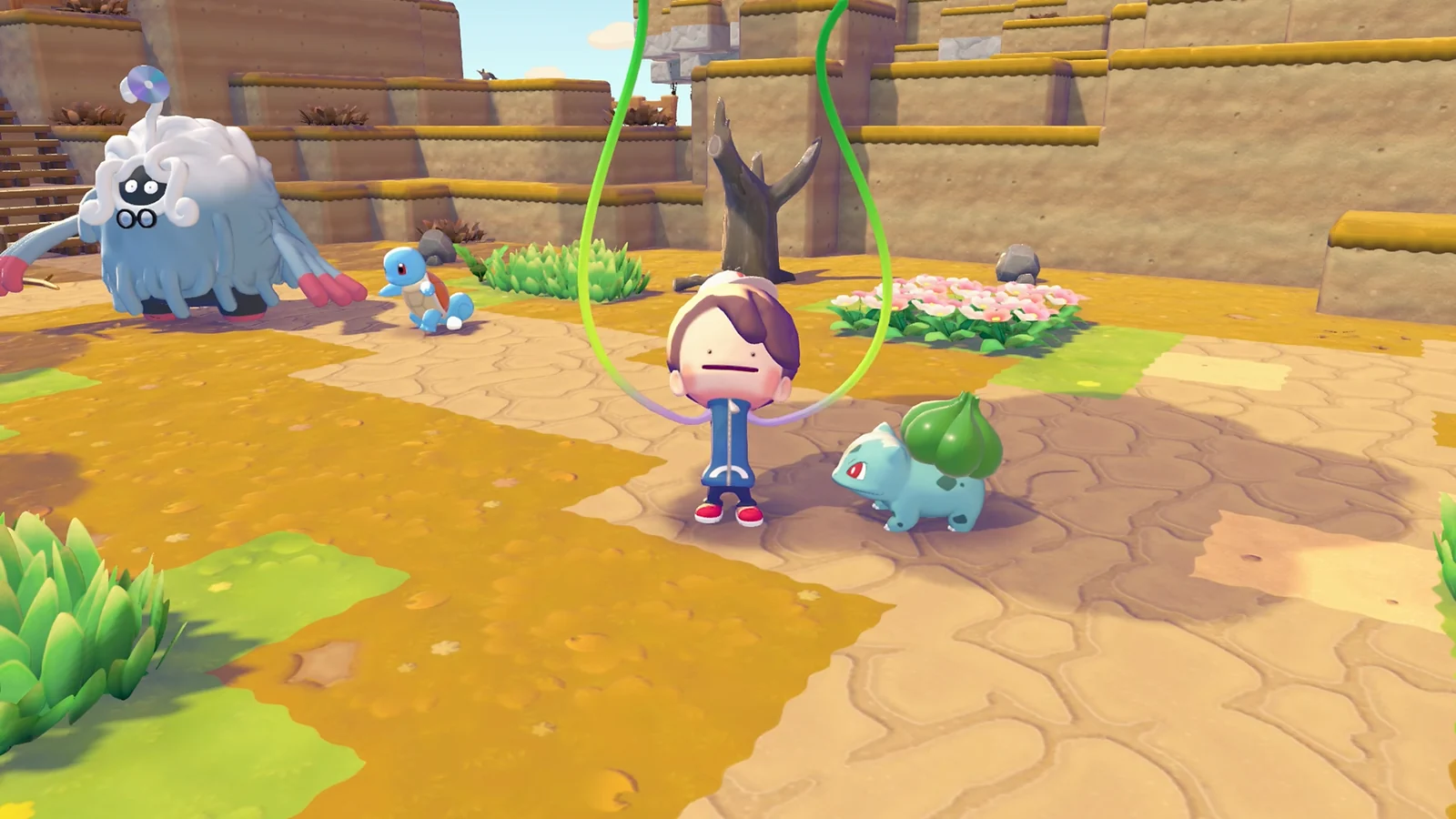
Pokopia replaces Poké Balls with ecological interior design. Pokémon only appear if you create the right habitat. Want a Bulbasaur wandering your village? You’ll need grassy terrain and plants. Hoping for water types? Better start digging ponds.
Once Pokémon arrive, they behave like tiny neighbors with opinions about their surroundings. Place furniture, and they’ll react to it. Build a house, and they’ll ask for upgrades. Some even send oddly specific requests – like an emo Umbreon demanding a black-painted house.
It’s basically Animal Crossing with Pokémon personalities, and it’s dangerously addictive.
Technology in Pokopia Is Weirdly Realistic
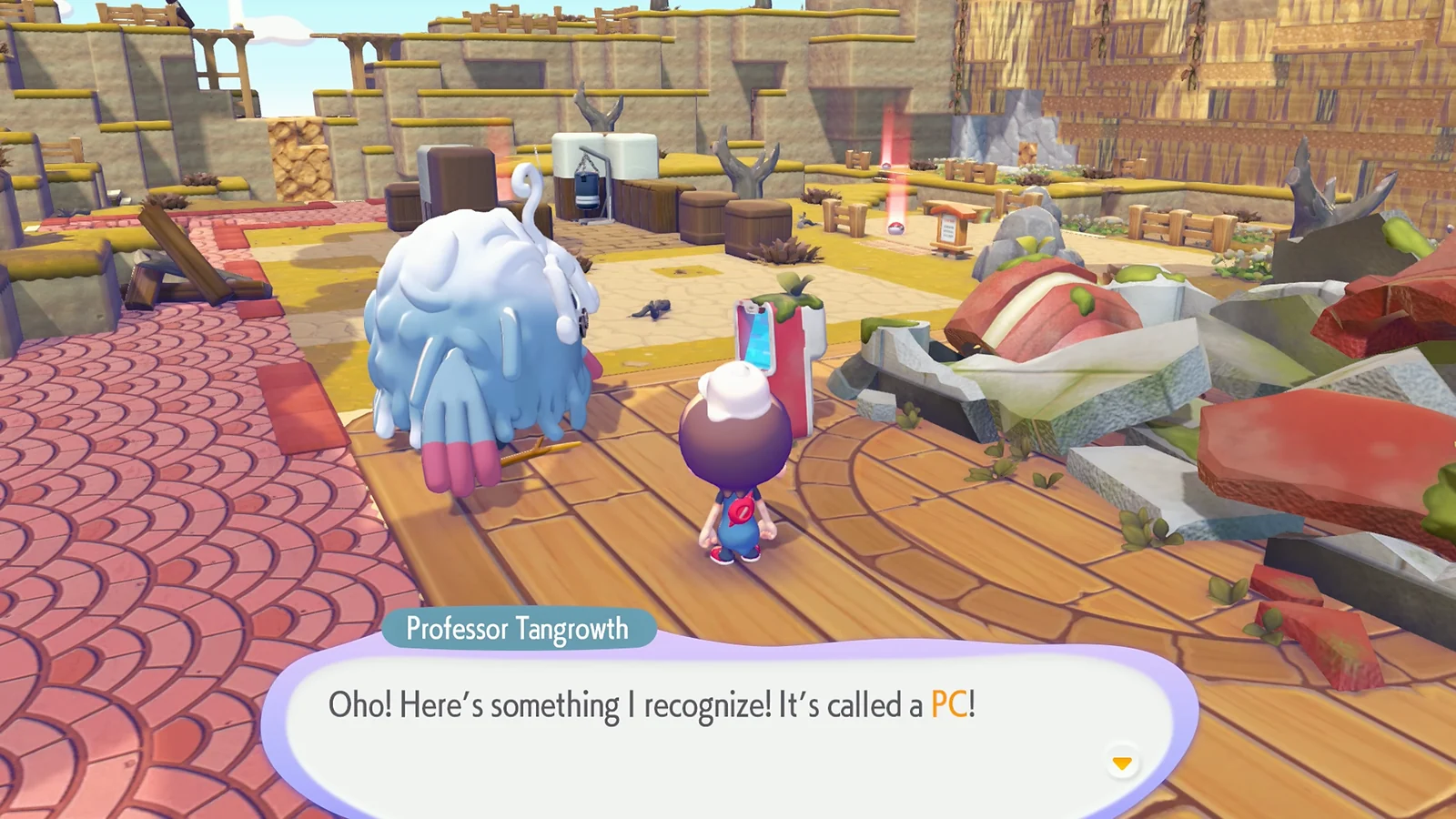
While playing the game for this Pokémon Pokopia review, one of the game’s smartest ideas I found is how it treats technology. The Pokémon universe usually throws sci-fi gadgets around like candy – PCs that store living creatures, teleportation systems, miracle healing machines, and so on. Pokopia flips that perspective by showing what happens after the people who built those systems disappear.
You’ll spend a surprising amount of time restoring infrastructure – power sources, appliances, homes, and community spaces. One standout gadget is a 3D printer that can replicate objects from photos, provided you gather rare materials. It’s a clever blend of futuristic tech and scavenged junk, and it reinforces the game’s theme of rebuilding a lost civilization.
Pokémon has never felt so delightfully strange; at one point, you’re literally hunting down CDs so a Rotom DJ can run a party.
A Calm Loop That’s Hard to Quit
The gameplay rhythm is wonderfully hypnotic. You start by clearing weeds and rubble. Soon you’re planting forests, building homes, constructing roads, and laying out entire districts for Pokémon residents.
The main campaign runs roughly 30–40 hours, but the sandbox systems stretch far beyond that. You’ll keep tweaking habitats, optimizing layouts, and chasing rare Pokémon arrivals long after the credits roll.
It’s the kind of game where you sit down for 20 minutes and accidentally terraform half a continent, making it easily one of the best cozy games of all time.
Performance on Nintendo Switch 2
Technically, Pokopia is one of the best-running Pokémon games ever released, if not one of the best Nintendo Switch 2 games currently available. On Switch 2 hardware, the game runs at 60fps in both handheld and docked modes, with detailed environments and almost no loading when moving between biomes.
I can’t end this Pokémon Pokopia review without noting a few literal rough edges, which appear when placing blocks in cramped areas. The building controls can feel a little clumsy, especially when you’re trying to position furniture precisely (if you’re a fan of Animal Crossing, you know what I mean). Still, it’s a minor complaint in an otherwise polished experience.
My Overall Verdict on Pokémon Pokopia – Pokémon Reinvents Itself (Again)
Pokopia might be one of the top Pokémon games as it’s certainly the most radical Pokémon spin-off ever released – and one of the most charming, as my Pokémon Pokopia review found.
Trading battles for world-building turns out to be exactly what the series needed. The combination of sandbox creativity, expressive Pokémon personalities, and quietly emotional storytelling creates a game that feels both experimental and unmistakably Pokémon.
And yes, it may also be the best-reviewed Pokémon game ever, which is not a sentence anyone expected to write about a cozy Ditto-based city-builder.
| Pros | Cons |
|---|---|
| ✅ Deeply satisfying restoration gameplay loop ✅ Creative Ditto transformation mechanics ✅ Pokémon interactions with surprising personality ✅ Smooth technical performance on Switch 2 | ❌ Building controls can be fiddly in tight spaces ❌ Some lore references may fly over newcomers’ heads ❌ Physical release still requires a large download |
Great for: Fans of Animal Crossing, Minecraft, and creative sandbox games.
Less ideal for: Competitive battlers or players who prefer traditional Pokémon combat.