

The Last of Us Review (Season 1): A Rare Adaptation Done Right



Disclaimer: The following review may contain spoilers for the first season of The Last of Us.
Not to spoil my The Last of Us Season 1 review, but it’s the best video game adaptation ever made – full stop.
In this The Last of Us review, I’ll take a closer look at how the nine-episode HBO series proves that a story born in games can translate to television without losing the emotional weight that made it iconic in the first place.
What makes the show click is its balance. It faithfully recreates several iconic moments from the game while expanding stories that were only briefly hinted at before. Supporting players get a chance to step into the spotlight, the world feels rougher and more lived-in, and the emotional punches land even harder.
The result is a gripping HBO drama that works just as well for longtime fans as it does for newcomers.
Jump to:
TL;DR – The Last of Us Season 1 Review Overview
| Core story identity | A deeply human post‑apocalyptic journey centered on Joel and Ellie’s emotional road trip across a devastated United States, blending survival drama with a character‑driven narrative. |
| Biggest strengths | Exceptional performances from Pedro Pascal and Bella Ramsey, grounded storytelling that expands game lore with quiet emotional beats, and a richly detailed world that feels lived in. |
| Major highlights | Episode 3 (Long, Long Time) stands out as one of the finest hours of television, elevating side character depth and emotional resonance far beyond typical adaptation fare. |
| Main criticisms | Some viewers may find the pacing slow or crave more infected‑focused action sequences, but it’s more character study than non‑stop spectacle. |
| Clear verdict | A rare video game adaptation that not only respects the source material but deepens it, delivering one of TV’s strongest dramas and setting a new benchmark for games‑to‑screen storytelling. |
The Last of Us – The Show That Broke the Internet
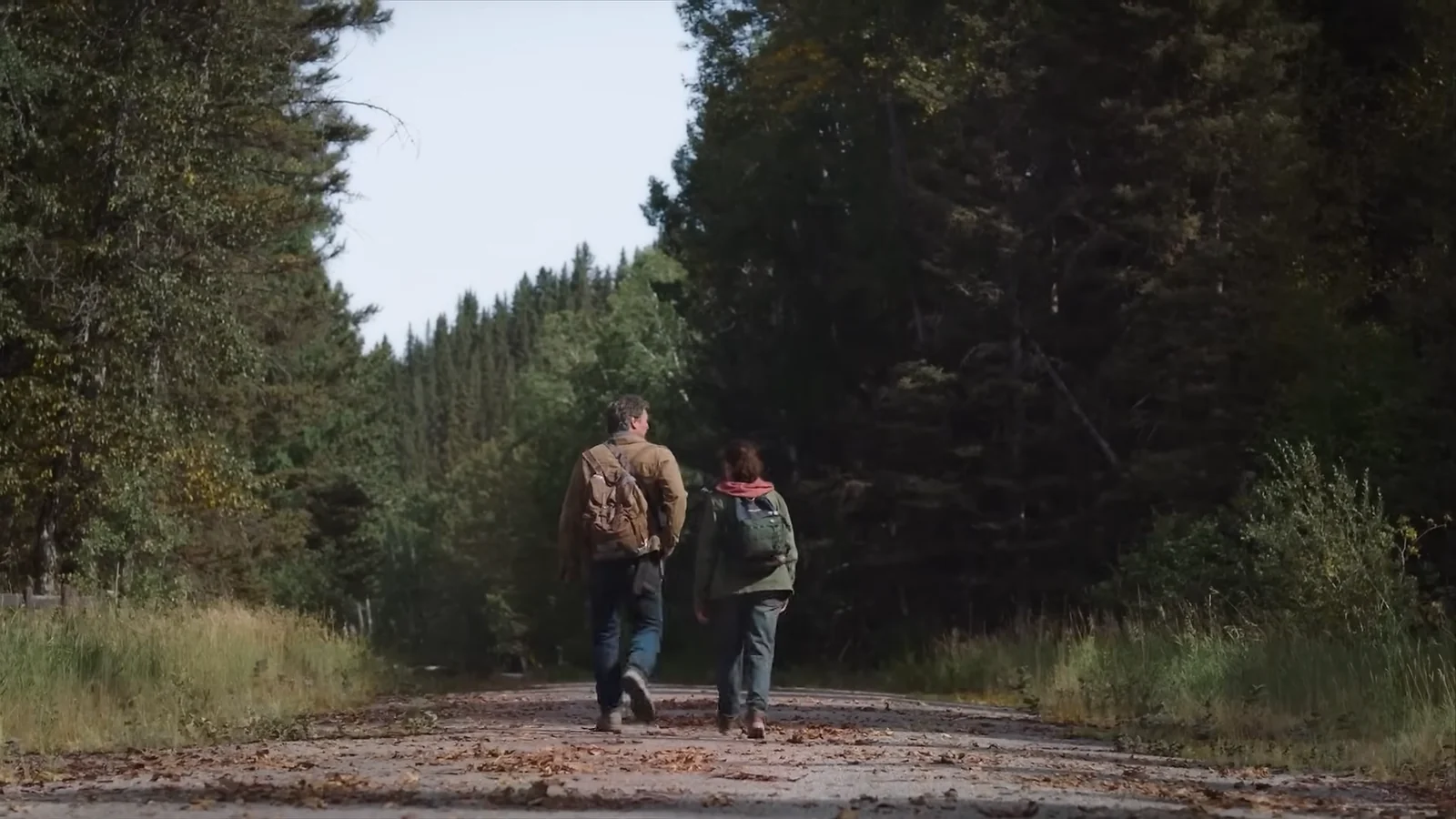
This The Last of Us Season 1 review basically comes down to one thing – HBO turned a beloved game into a brutal, emotional road story that somehow hits even harder on TV.
Developed by The Last of Us creator Neil Druckmann alongside Chernobyl showrunner Craig Mazin, the series adapts the 2013 PlayStation classic with surprising confidence. The core journey stays the same: Joel, a hardened smuggler, escorts a teenage girl named Ellie across a devastated United States after a fungal outbreak collapses civilization.
The genre mix is survival horror, prestige drama, and a slow-burn character study about grief, loyalty, and the strange ways people keep going after the world ends.
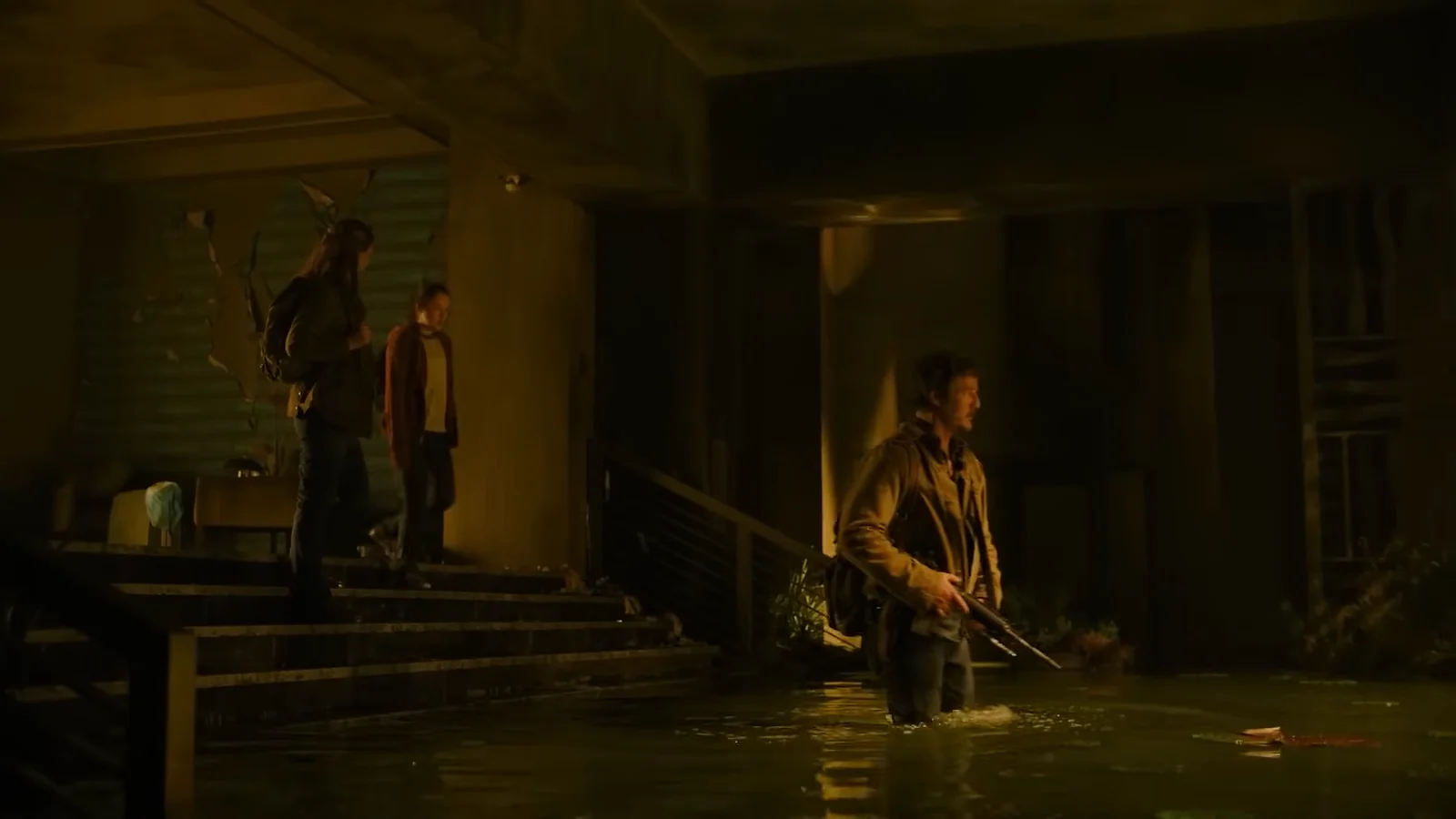
What surprised me most wasn’t the infected, it was how often the show just wrecks you emotionally. Episode 3 alone had half the internet admitting they were crying after what many called a story that instantly redefined what a ‘zombie show’ could be.
Fans of the games will obsess over the details. Newcomers can jump in without homework.
The bottom line of this The Last of Us (HBO) review is that it’s a rare adaptation that actually deepens the story instead of just retelling it.
A Road Trip Through Ruins
The story begins in 2003, when a mutated Cordyceps fungus spreads through the global food supply and collapses civilization almost overnight. Twenty years later, the world of The Last of Us looks very different.
By 2023, survivors live inside heavily controlled quarantine zones run by the military, where curfews, ration lines, and armed patrols define everyday life. You might be safe from the infected behind those walls, but freedom is a different story.
From there, the series turns into a brutal cross-country journey. Joel, a hardened smuggler carrying decades of loss, is tasked with escorting Ellie, a teenage girl who may hold the key to a cure, across a shattered United States. Their path cuts through ruined cities, abandoned highways, and communities barely holding together.
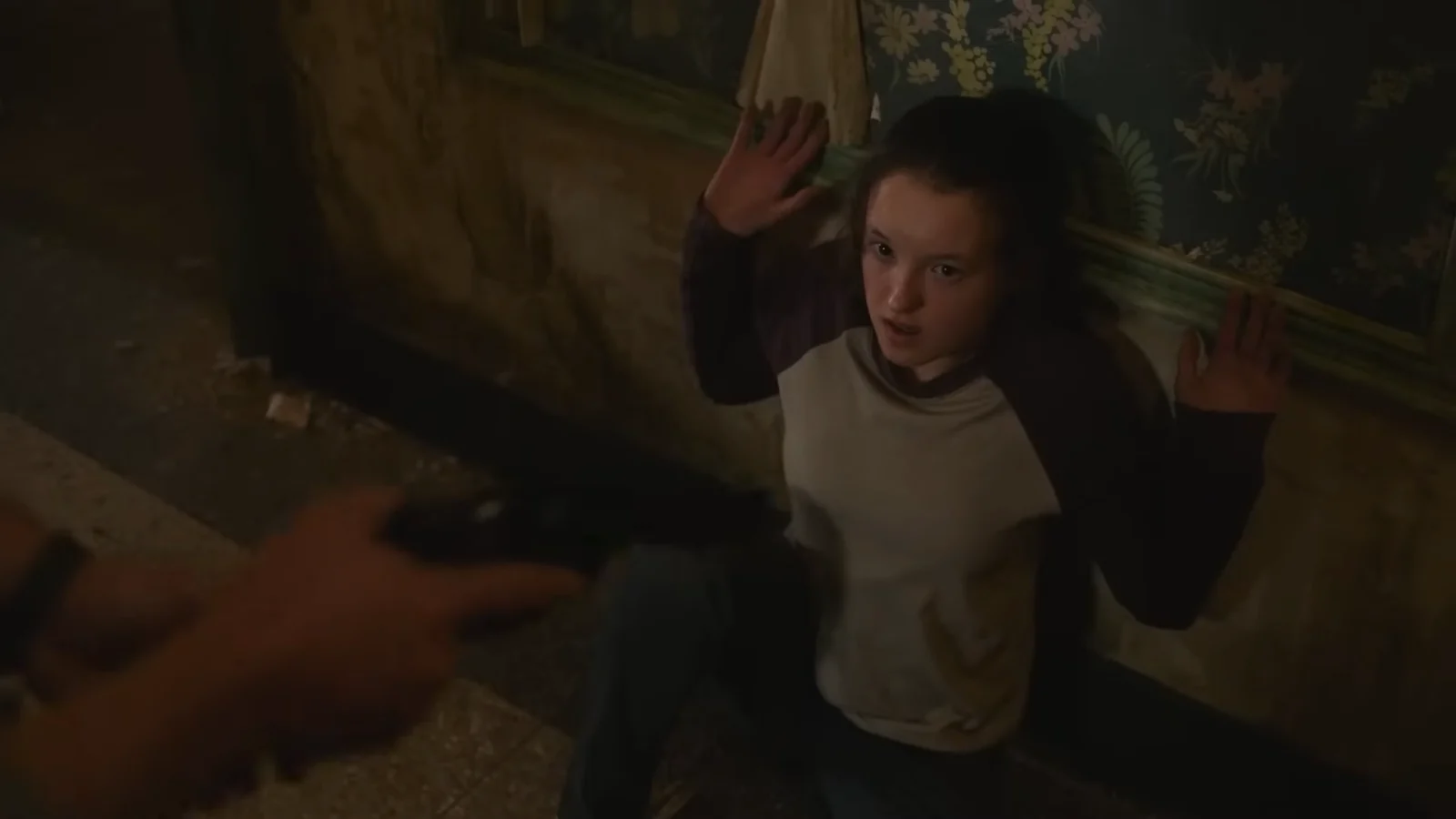
The real tension rarely comes from just the infected. Some of the worst dangers are other survivors – raiders, desperate factions, and leaders who believe cruelty is the only way to stay alive, a theme that fans of hard-hitting survival games will instantly recognize.
What stayed with me most during this The Last of Us Season 1 review is how grounded everything feels. The crumbling buildings, overgrown streets, and fungal-scarred environments look eerily practical, like the world simply decayed for twenty years without anyone coming back to fix it.
Underneath the survival horror sits a quieter story about grief, fragile hope, and the thin line between protecting humanity and losing it entirely.
Joel & Ellie: The Heart of It All
The success of The Last of Us lives and dies in the hands of Joel and Ellie, which is to say the chemistry between Pedro Pascal and Bella Ramsey carries the entire season. Their dynamic feels messy, uncomfortable, funny, and eventually heartbreaking in a way that never feels manufactured.
Pascal’s Joel is a battered survivor who looks like he’s been carrying the weight of the apocalypse for twenty years. What impressed me most is how little he actually needs to say. Like in The Mandalorian, Pascal leans heavily into restrained acting. It’s all small looks, long pauses, subtle changes in posture.
Joel rarely explains what he’s feeling, but you can read it anyway. The internet jokes about his “internet daddy” energy, but the show never plays him that way. This is a broken man trying to survive another day.
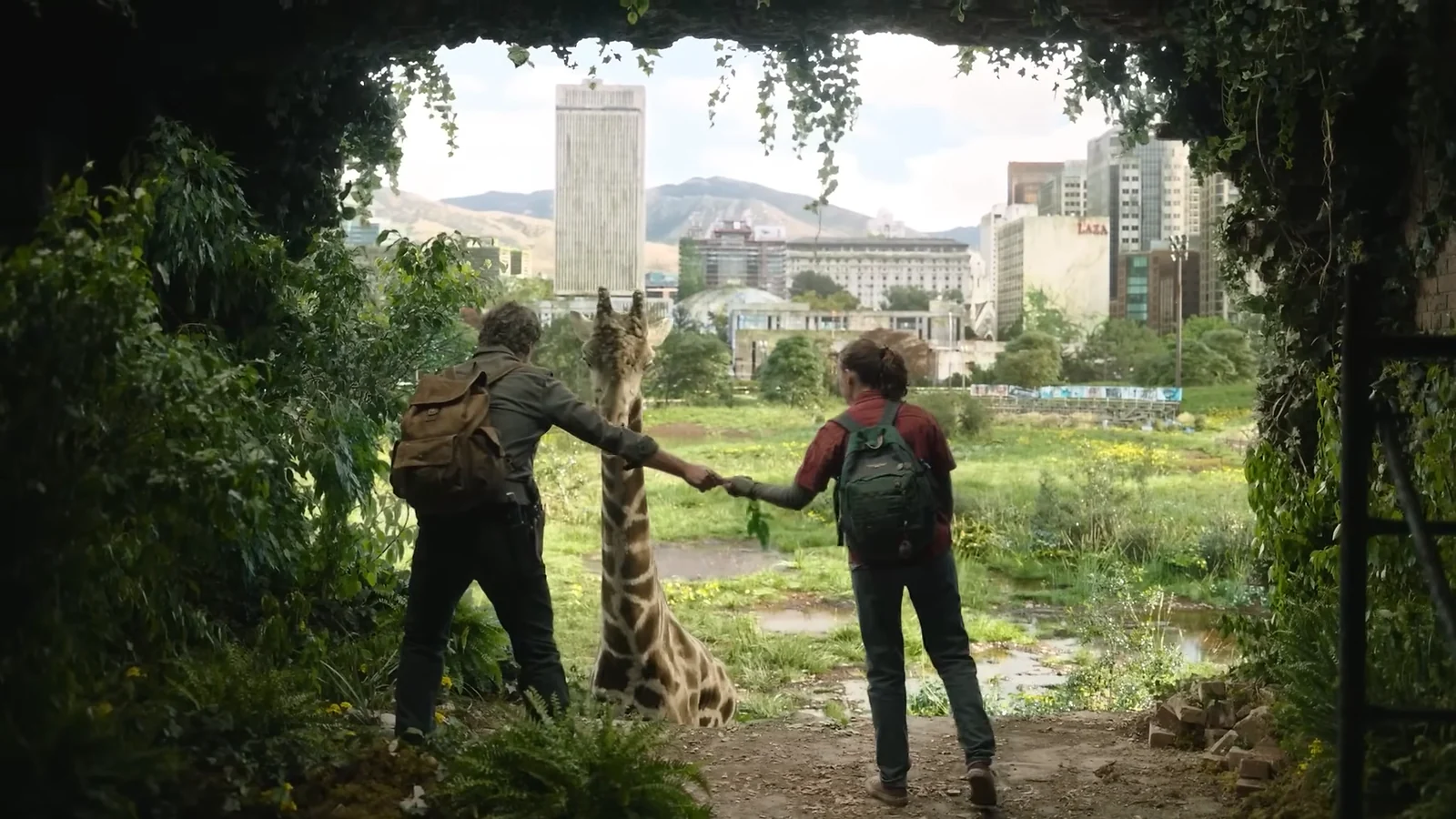
Bella Ramsey, on the other hand, steals almost every scene she’s in. Her Ellie is funny, foul-mouthed, stubborn, and painfully awkward in that very specific teenage way that feels completely natural. It never feels like she’s “performing” a character. She just exists inside the role, matching Pascal’s intensity while bringing flashes of humor and hope.
I have already alluded to this in my The Last of Us Season 1 review, but together, they create the emotional spine of the show.
The supporting cast also leaves a strong mark. Nick Offerman and Murray Bartlett deliver a quietly devastating story as Bill and Frank, Anna Torv brings warmth and grit to Tess, and Melanie Lynskey turns Kansas City’s rebel leader into something far more unsettling than a typical villain.
The Standout Chapters: When the Show Takes a Detour
One of the smartest decisions the show makes is occasionally stepping away from Joel and Ellie to explore the lives orbiting their path. And the aforementioned Episode 3 is the crown jewel of this approach – a sweeping, self-contained epic that stands as one of the finest hours of television in recent years.
Rather than a standard plot progression, the episode unfolds as an intimate character study of Bill and Frank. What begins with a wary survivor, a hidden trap, and a plate of rabbit slowly blooms into a decades-long relationship cultivated in the cracks of a broken world.
It’s a gorgeous detour that expands the emotional scope of the series in a way its visceral horror game predecessor only hinted at through environmental clues. It proved a ‘side story’ could pack more punch than most shows’ entire seasons; basically, nobody signed up to be that thoroughly wrecked.
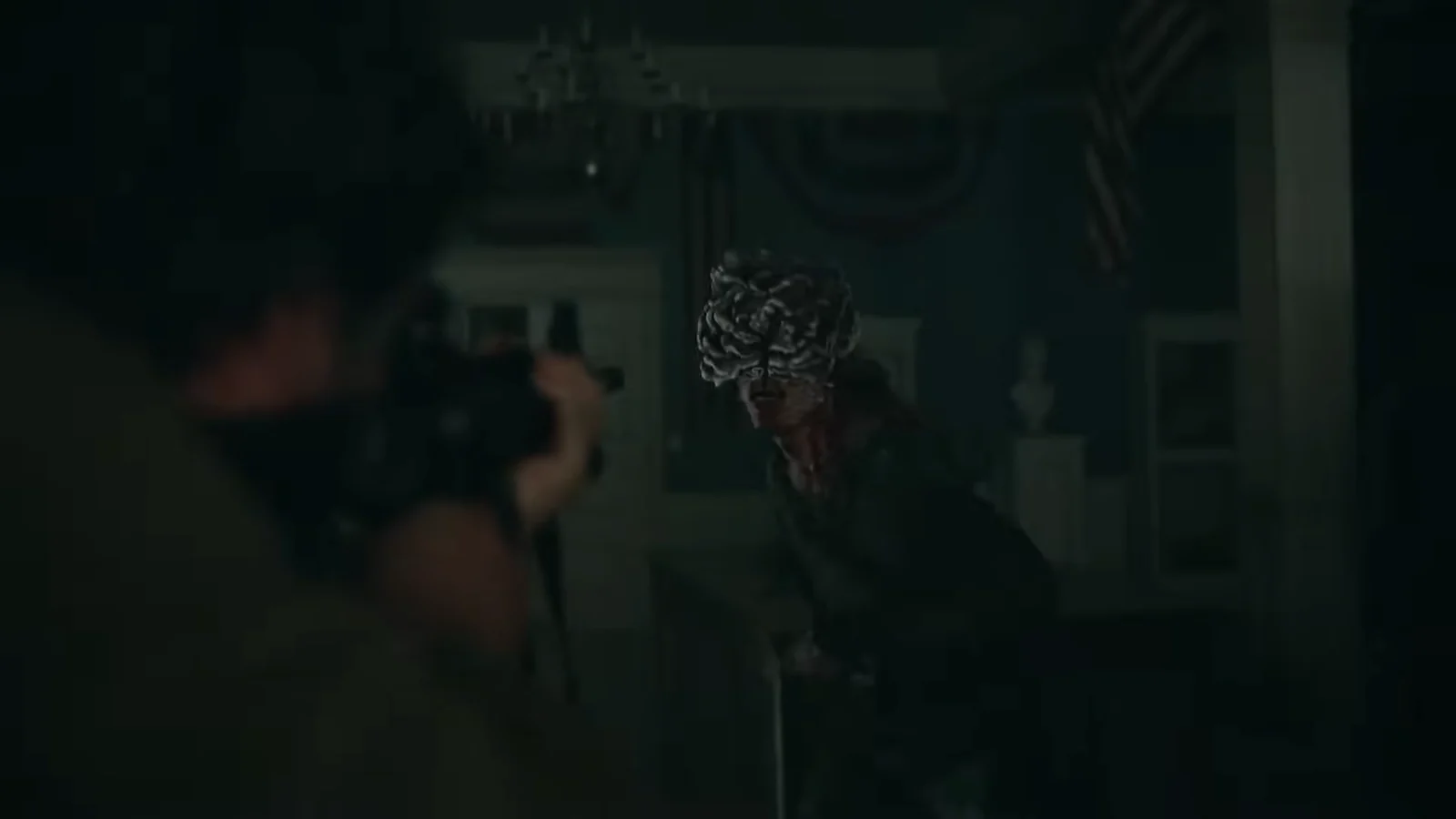
The season repeats this alchemy elsewhere. Tess’s brief arc offers a haunting look at the cost of survival. Henry and Sam provide a fragile heartbeat that the world eventually silences. Then there’s David’s unsettling community, a dark mirror that pushes the show into pure psychological horror.
By giving these characters room to breathe, the series builds a lived-in history. One where every survivor is the protagonist of their own tragedy, defined by love, loss, and the compromises made in the dark.
Quiet Moments, Heavy Impact
What surprised me most during my The Last of Us Season 1 review is how patient the storytelling feels. Instead of chasing constant action, The Last of Us plays out more like a slow-burn western. Long stretches pass with very little dialogue, yet the tension keeps building through quiet moments, uneasy silences, and the sense that danger could appear at any time.
The show rarely wastes motion. Scenes linger just long enough to let characters breathe instead of dumping exposition. I remember noticing this in smaller moments; Joel scanning a room before speaking, Ellie poking around abandoned stores, the two of them slowly learning how to exist in the same space.
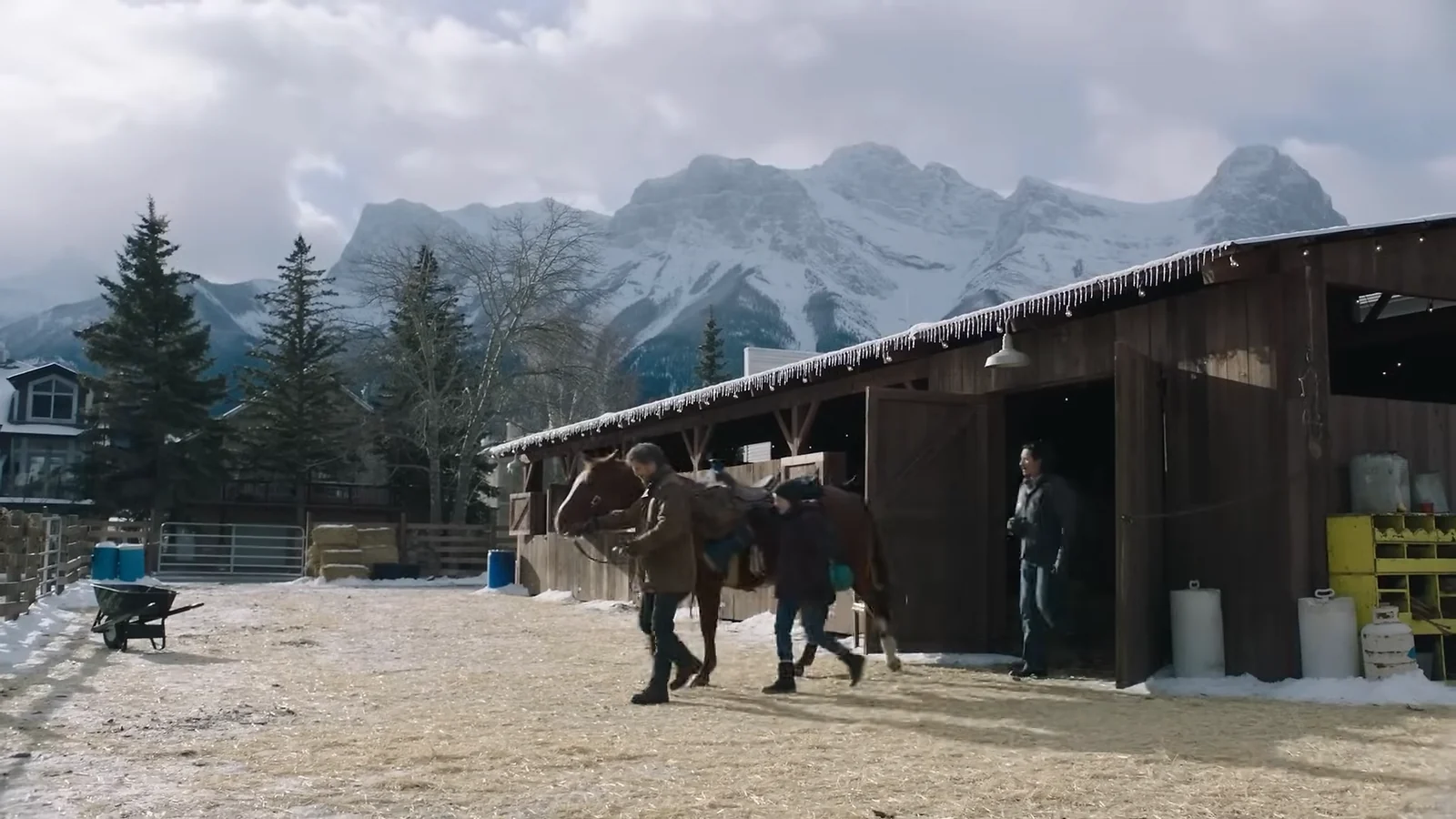
For fans of the game, the series also recreates several iconic moments almost shot-for-shot. Walking through abandoned cities, sneaking through museums, or seeing familiar locations framed exactly like the original instantly triggered that recognition.
At the same time, the show improves on the source by expanding stories that once lived on the edges. Bill’s life before Joel arrives or the history behind Kansas City’s rebels.
Pedro Pascal’s restrained performance carries much of that weight. He often says very little, yet you can read everything in his posture or the way his voice tightens. With Gustavo Santaolalla’s haunting score tying it all together, the result feels far removed from the bombastic chaos typical of many action-heavy zombie games. This is character story first, apocalypse second.
Game First or Show First?
You don’t need any prior knowledge to enjoy the series. The Last of Us works perfectly as a standalone story, and plenty of viewers discovered the world through the HBO show without ever touching the game.
From my perspective, the order mostly changes the experience. Playing the game first adds a layer of nostalgia – you’ll recognize locations, lines of dialogue, and certain emotional beats before they happen.
If you have played The Last of Us or spent years in immersive games like The Walking Dead, watching the show first lets the story unfold with fewer expectations and more room for the narrative to surprise you.
After seeing the online debates and going through both versions myself for this and The Last of Us Part 1 review, my take is simple: there’s no wrong entry point. Start wherever you like, the journey hits hard either way.
My Overall Verdict on The Last of Us Season 1: The Show Elevates the Game
Watching this show for my The Last of Us Season 1 review felt like seeing a story I already respected somehow gain even more weight. The series doesn’t just recreate the 2013 game, it understands why the story worked in the first place and builds on it with richer side characters, quieter emotional beats, and performances that make the journey hit even harder.
Pedro Pascal and Bella Ramsey anchor the entire experience with a relationship that grows naturally from suspicion to something much deeper. By the final episodes, the emotional pull between Joel and Ellie carries more tension than any infected encounter. That’s a big reason the show stands apart from typical zombie dramas.
Streaming on HBO (HBO Max), the presentation also helps. The series looks fantastic in 4K, with detailed environments and lighting that make ruined cities and overgrown landscapes feel eerily believable.
Few adaptations manage to respect their source while also deepening it. The Last of Us pulls it off and sets a new bar for what video game stories can become on screen.
| Pros | Cons |
|---|---|
| ✅Exceptional performances from Pascal and Ramsey ✅Expands the game’s story without losing its core ✅Emotional storytelling with strong worldbuilding | ❌Some viewers may want more infected action |
Great for: Fans of story-driven games, prestige TV, and character-focused post-apocalyptic drama.
Less ideal for: Viewers expecting nonstop action or traditional zombie spectacle.