

What Is a Mana Ability in MTG? A Complete Guide to This Essential Mechanic


What is a mana ability in MTG? This question trips up players at every skill level, from casual kitchen table games to high-stakes competitive tournaments. Mana abilities are one of the most misunderstood mechanics in Magic: The Gathering, and the confusion often leads to costly misplays and unnecessary judge calls.
Many players assume that any ability producing mana automatically qualifies. That assumption is wrong. The rules are more specific than most realize, and understanding the distinction matters for Commander and tournament play alike.
In my years of playing, I have seen plenty of judge calls because someone tried to respond to a Llanowar Elves tap. This guide will clear up those mistakes.
Jump to:
What Is a Mana Ability in MTG?
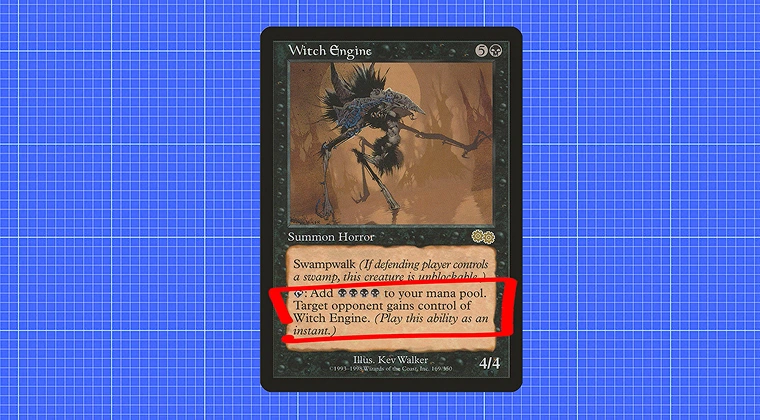
A mana ability is a specific type of activated or triggered ability that follows three strict criteria. First, the ability must be capable of producing mana. Second, it cannot target anything. Third, it cannot be a loyalty ability.
All three conditions must be met simultaneously. An ability that adds mana but targets a permanent is not a mana ability. A planeswalker plus ability that generates mana is not a mana ability either, regardless of what it does.
The critical point many players miss is that not all abilities producing mana are mana abilities. The rules distinguish between abilities that happen to generate mana and true mana abilities, which receive special treatment under the game rules.
Mana Abilities vs Other Abilities
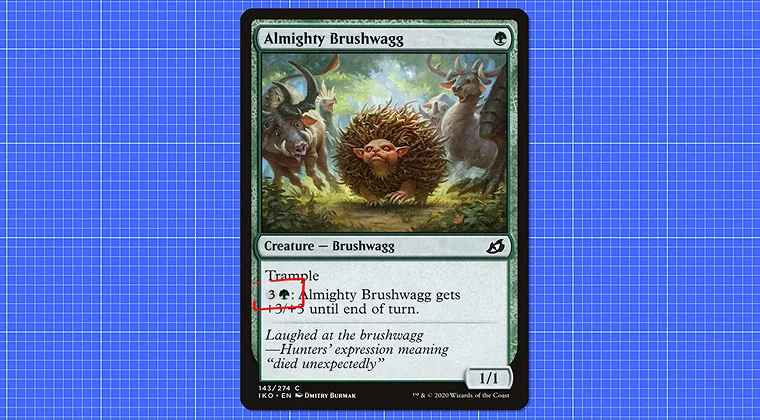
Understanding how mana abilities differ from other mechanics is essential for proper play. The distinctions affect timing, responses, and strategy at every level.
Mana Abilities vs Activated Abilities
Magic: The Gathering has an expansive card pool, with unique cards that provide countless abilities and interactions. This vast card base can sometimes make understanding core mechanics, such as mana abilities versus activated abilities, a bit more challenging.
Mana abilities are technically a special subset of activated abilities. Both require you to pay a cost to get an effect. The difference lies in how the game handles them after activation.
When you tap a Forest for green mana, that is a mana ability. It resolves immediately and does not use the stack. Your opponent cannot respond with a counterspell or removal. The mana simply appears in your pool.
Regular activated abilities work differently. When you activate Lightning Greaves to equip a creature, that ability goes on the stack. Your opponent can respond before it resolves.
If you are casting a spell and need more mana, you can tap lands or mana creatures mid-cast without giving your opponent a window to interfere. Players who want to learn more about deck construction can check out our guide to the best MTG cards for building strong foundations.
Mana Abilities vs Spells and Loyalty Abilities
Spells are never mana abilities, even if they produce mana. Dark Ritual is an instant that adds three black mana to your pool. Despite generating mana, it uses the stack like any other spell. Your opponent can Counterspell it before you receive that mana.
Loyalty abilities present another common source of confusion. Chandra, Torch of Defiance has a plus one ability that adds two red mana. Many players assume this works like tapping a land. It does not.
The rules explicitly state that loyalty abilities cannot be mana abilities. Chandra’s mana-generating ability uses the stack and can be countered or responded to. You must activate Chandra before announcing your spell and let her ability resolve. You cannot announce a six-mana creature, then plus Chandra to help pay for it.
Mana abilities differ from spells and loyalty abilities, which follow a different set of rules. While spells like Dark Ritual generate mana, they still go on the stack and are subject to interaction. If you are looking for ways to generate mana consistently in your deck, consider including some of the best mana rocks in MTG, artifacts that tap for mana without using the stack, allowing you to bypass typical interactions.
Triggered Mana Abilities
Triggered mana abilities exist, though they are rare. If you are unfamiliar with how triggered abilities function in general, understanding that foundation makes mana-specific exceptions much easier to grasp. A triggered ability qualifies as a mana ability if it meets specific conditions. It must trigger from activating a mana ability or from mana being added to a pool. It cannot have a target. It must be capable of producing mana when it resolves.
Overgrowth is a classic example. This enchantment triggers whenever the enchanted land is tapped for mana, adding two green mana. Because it triggers from a mana ability and produces mana without targeting, Overgrowth creates a triggered mana ability.
Like activated mana abilities, triggered mana abilities do not use the stack. They resolve immediately after their trigger condition is met.
Common Confusion With Replacement Effects
Players often confuse triggered mana abilities with static abilities that modify mana production. Nyxbloom Ancient triples the mana produced whenever you tap a permanent. This is not a triggered mana ability.
Nyxbloom Ancient has a static ability that creates a replacement effect. It modifies the mana production itself rather than triggering after it. Your opponent still cannot respond to the extra mana.
Special Rules and Edge Cases
Mana abilities have several quirky interactions that come up in tournament play. Knowing these edge cases can save you from misplays and help you leverage the rules to your advantage.
Zero-Cost Spells and Mana Abilities
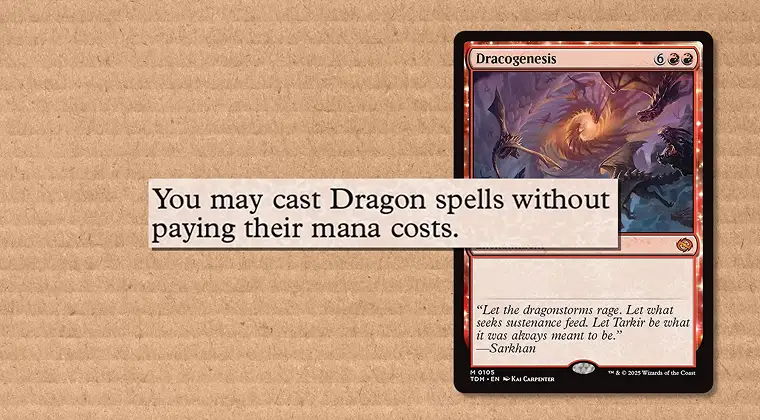
Here is a tricky scenario. You want to cast a spell that costs zero mana. Can you activate mana abilities during that process? The answer is no.
You can only activate mana abilities during spell casting when the game asks you to pay a mana cost. A zero-mana spell never requires mana payment, so the window to activate mana abilities never opens. This differs from cost-reduced spells. If a spell normally costs four mana but costs two after reduction, you still have a payment window.
Variable Mana Abilities
Some mana abilities produce variable amounts of mana based on game conditions. Gaea’s Cradle taps for one green mana per creature you control. Cabal Coffers produces black mana equal to your swamp count.
These remain mana abilities even when they produce zero mana. If you control no creatures, Gaea’s Cradle still has a mana ability. For players exploring powerful mana acceleration, our best MTG Commander decks guide covers strategies that maximize these effects.
In Commander, token generators like the best token commanders can leverage abilities like Gaea’s Cradle for explosive mana acceleration. By maximizing the number of creatures you control, you can efficiently power up your spells and abilities.
Non-Deterministic Mana Abilities
Some cards have mana abilities that depend on hidden information. Selvala, Explorer Returned is the most famous example. Her ability reveals cards from each library and adds green mana based on what appears.
You can attempt to cast a spell costing more mana than you currently have, hoping Selvala produces enough. If she does not, the game reverses the illegal action. Wizards of the Coast has moved away from designing such cards.
Examples of Mana Abilities in MTG
Seeing specific card examples helps solidify understanding of mana ability rules. Some cards are straightforward, while others have subtle differences that catch players off guard.
Classic Mana Abilities
The most straightforward mana abilities come from basic lands. Every Forest, Island, Swamp, Mountain, and Plains has an intrinsic mana ability. Tap it and get one mana of the appropriate color.
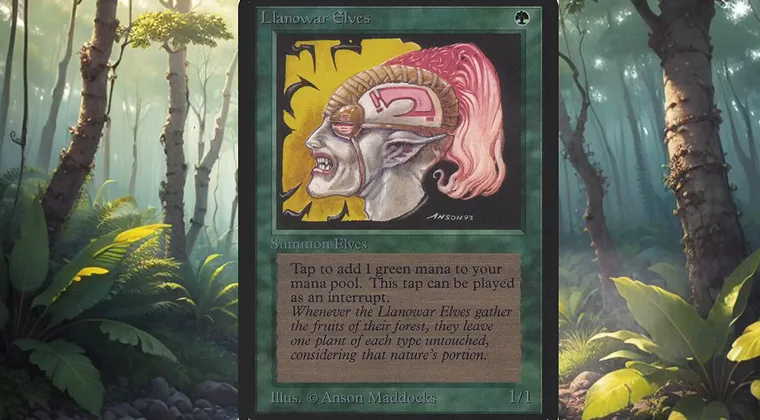
Llanowar Elves demonstrates a creature with a mana ability. Tap it for one green mana. No target, no loyalty costs, produces mana. It meets all three criteria. Birds of Paradise works identically but offers any color.
Mana Abilities With Restrictions or Extras
Lion’s Eye Diamond presents a special case. Its ability is a mana ability producing three mana of any color, but it includes a timing restriction. You can only activate it when you could cast an instant, meaning you cannot use it to pay for spells in your hand.
Chromatic Sphere and Chromatic Star look similar but function differently. Chromatic Sphere draws a card as part of its mana ability, meaning the draw cannot be responded to. Chromatic Star has a separate triggered ability that draws when it goes to the graveyard, which uses the stack.
Not Mana Abilities (Common Mistakes)
Deathrite Shaman confuses countless players. Its first ability exiles a land from a graveyard and adds one mana of any color. This looks like a mana ability, but the ability targets a land card. Because it has a target, it is not a mana ability and uses the stack.
Dark Ritual is a spell, not an ability. Spells are never mana abilities, regardless of effect. Chandra, Torch of Defiance has a plus one adding two red mana. Loyalty abilities are explicitly excluded from being mana abilities.
When Can You Use Mana Abilities?
Mana abilities offer tremendous flexibility. You can activate them whenever you have priority. You can also activate them while casting spells or activating abilities requiring mana payment. You can use them on your opponent’s turn whenever you have priority.
Remember the zero-cost exception. If a spell or ability costs zero mana, you cannot activate mana abilities during that casting process since you never reach the payment step.
Understanding Mana Abilities Improves Your Game
Mastering mana ability rules gives you an edge at the table. You will make fewer misplays, understand why certain interactions work the way they do, and avoid unnecessary judge calls in tournaments.
The key takeaways are simple. True mana abilities require no target, cannot be loyalty abilities, and must produce mana. They resolve immediately without using the stack. Everything else follows normal rules.
FAQs
Yes, most mana abilities are activated abilities. They represent a special subset meeting the three criteria: producing mana, having no target, and not being a loyalty ability. Triggered mana abilities also exist, but are less common.
Yes, triggered abilities can be mana abilities if they trigger from mana ability activation, have no target, and produce mana. Overgrowth is an example of a triggered mana ability.
No, you cannot respond to mana abilities. They do not use the stack and resolve immediately after activation, meaning no player can cast spells or activate abilities in response.
No, mana abilities cannot be stifled or countered. Stifle targets abilities on the stack, but mana abilities never go on the stack, so there is no legal target.
Yes, you can use mana abilities on your opponent’s turn whenever you have priority. This allows you to float mana before the end step or pay for instant-speed spells during your opponent’s turn.
No, mana abilities cannot be stopped once activated. They resolve immediately without using the stack. Pithing Needle notably does not stop mana abilities.
Mana abilities skip the stack so players can generate mana smoothly during spell casting. If every land tap went on the stack, the game would become tedious and unnecessarily complex.