

Holo vs. Reverse Holo: What’s the Difference?

Eneba Hub contains affiliate links, which means we may earn a small commission if you make a purchase through them—at no extra cost to you. Learn more


The Holo vs Reverse Holo debate is one of the first questions new collectors ask when digging into Pokémon cards. Both card types feature that shiny foil effect that makes pulling them from a pack so satisfying, but the placement of that foil changes everything about how the card looks and what it’s worth.
I remember cracking open my first booster pack and being confused about why some shiny cards had the sparkle on the artwork while others had it everywhere except the artwork. Once I figured out the naming convention, collecting became a lot more intentional.
In this guide, I’ll break down exactly what separates a holo card from a reverse holo card. You’ll learn how to spot each type, understand their value differences, and figure out which one fits your collection best.
Jump to:
What Is a Holo Pokémon Card?
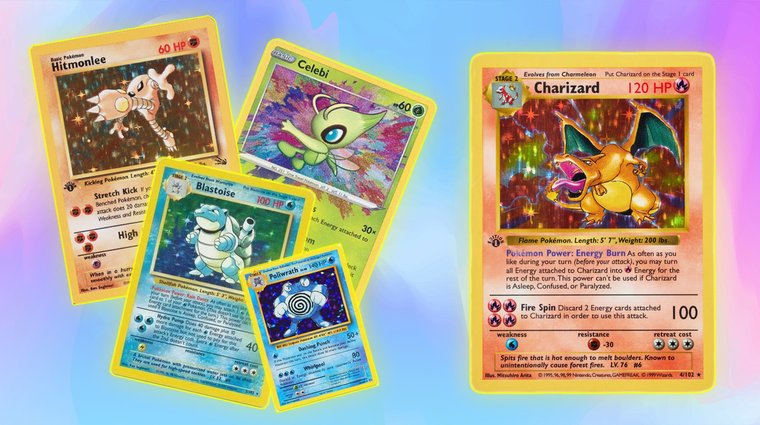
A holo Pokémon card, also called a holofoil card, features a shiny holographic pattern on the artwork area only. The rest of the card stays matte. When you tilt a holo card under light, the image of the Pokémon itself shimmers and shifts colors.
This style has been around since the original Base Set in 1999. Holo cards are typically found in the rare slot of booster packs. They carry a star rarity symbol and represent some of the more desirable pulls in any given set.
Key features of holo cards include:
● Holographic foil applied only to the artwork illustration
● Matte finish on borders and text areas
● Star rarity symbol indicating rare status
● Traditional design consistent since the TCG launched
What Is a Reverse Holo Pokémon Card?

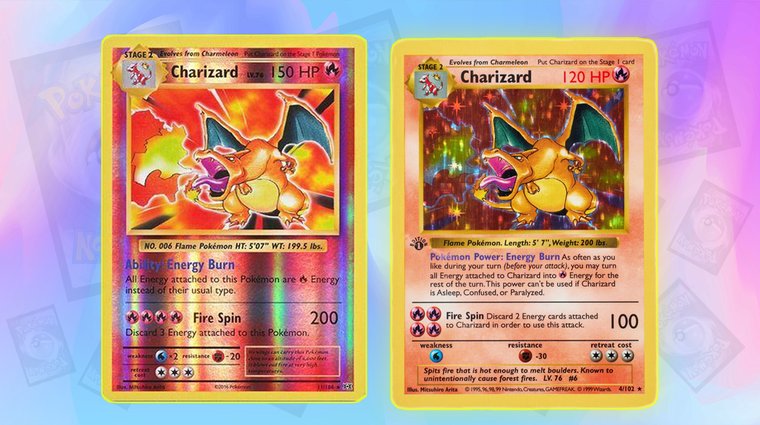
A reverse holo Pokémon card flips the script on where the foil appears. Instead of the artwork being shiny, the entire card, except the artwork, gets the holographic treatment. The border, background, and text boxes shimmer while the Pokémon illustration itself stays flat and matte.
The Pokémon Company introduced reverse holos during the Legendary Collection set in 2002. Most modern sets guarantee one reverse holo card per pack, making them easier to pull than traditional holos. Any card from a set can appear as a reverse holo, from commons to rares.
Key features of reverse holo cards include:
● Holographic foil applied to everything except the main artwork
● Matte finish on the creature illustration
● Available across all rarity levels within a set
● Guaranteed slot in most modern booster packs
Key Differences Between Holo and Reverse Holo Cards
Understanding the difference between holo and reverse holo comes down to three main areas. Each factor plays a role in how collectors and players view these cards.
Visual Differences
Holo cards make the creature pop by putting the foil directly on the artwork. Reverse holos do the opposite by making the frame and background shimmer while keeping the creature flat.
The foil patterns also change depending on the set. Some reverse holos feature galaxy swirls, others show crosshatch lines, and newer sets include unique textures tied to the expansion theme. If you want to understand more about card styles and rarity symbols, our guide on Pokémon card types breaks down the full spectrum.
Value and Rarity
Traditional holo cards generally hold more value than their reverse holo counterparts. Holos only appear in the rare slot, while reverse holos can show up for any card in the set. Scarcity drives demand.
That said, certain reverse holos can command surprising prices. A reverse holo of a popular competitive card might outvalue a holo of something nobody plays. First edition holo cards from vintage sets remain some of the most valuable collectibles in the hobby.
Tournament Legality
Both holo and reverse holo cards are fully legal in official Pokémon TCG tournaments. The foil treatment is purely cosmetic and has no impact on gameplay. If a card is legal in the current format, either version works.
Some players prefer reverse holos in their decks because the uniform look creates a cleaner aesthetic when cards sit side by side. Others chase specific holo arts because of the standout visual appeal. It comes down to personal preference since both versions function identically during matches.
Ready to start or expand your collection? Check out TCGplayer for a wide selection of both holo and reverse holo cards at competitive prices.
Are Holo or Reverse Holo Cards Better for Playing?
The answer depends entirely on what you value most. Neither version offers a gameplay advantage, so the choice comes down to aesthetics, investment potential, and how you like your deck to look.
For Aesthetic Appeal
If visual impact matters to you, traditional holos usually provide more punch. That concentrated shimmer on the artwork makes the creature feel alive. Reverse holos offer a subtler elegance with the shimmering frame that lets you appreciate the original illustration while still enjoying that collectible foil quality.
For Rarity and Investment
If you’re thinking long term, holo rares from popular sets tend to appreciate better. Limited print runs and nostalgic appeal keep demand steady. Cards like the Base Set Charizard holo became legendary partly because that centered foil defined an entire generation of collectors. Our article on rare Pokémon cards dives deeper into what makes certain pulls valuable over time.
Reverse holos can still be smart pickups, especially for competitive staples. A reverse holo trainer card that sees heavy play might hold value better than a holo creature nobody uses. Watch the meta and grab reverse holos of cards that tournament players want.
For Gameplay and Custom Deckbuilding
Competitive players often build decks with matching foil styles for consistency. A full deck of reverse holos looks clean and intentional. Mixing holos and reverse holos creates visual variety but can feel chaotic to some.
Budget also factors in. Reverse holos typically cost less than their traditional holo equivalents, so building a foiled-out deck becomes more affordable. If you want every card in your deck to sparkle without breaking the bank, reverse holos get the job done.
Where Can I Buy Holo and Reverse Holo Cards?

Finding the exact cards you want takes some strategy. Several options exist depending on whether you prefer hunting through sealed packs or buying singles directly.
Booster packs remain the most exciting way to pull holos and reverse holos. Every modern pack includes a guaranteed reverse holo slot plus a rare slot that might contain a traditional holo. Cracking packs gives that dopamine hit of discovery, but it’s also the least efficient method if you’re chasing specific cards. TCGplayer offers both sealed products and singles, making it a one-stop shop for collectors and players alike.
Local game stores often carry singles and can order specific cards. Building relationships with shop owners sometimes unlocks access to collections before they hit the display case. Plus, supporting local businesses keeps the hobby community strong.
Online marketplaces give you the widest selection. You can filter by set, condition, and price to find exactly what fits your budget. Just verify seller ratings and check return policies before committing to high-value purchases.
Care Tips for Foil Cards
Foil cards require proper storage to maintain their condition and value. The holographic layer can scratch, peel, or warp if handled carelessly.
Always sleeve your foil cards immediately after pulling them. For your most valuable holos and reverse holos, consider rigid toploaders or magnetic cases. Our guide on the best binders for Pokémon cards covers storage options that keep your collection organized and protected.
Humidity and temperature swings cause foil cards to curl or bend. Store your collection in a climate-controlled space away from direct sunlight. Handle cards by the edges to avoid leaving oils from your fingers on the foil surface.
Finding Your Foil Preference

The holofoil vs reverse holofoil choice ultimately comes down to what you want from your collection. Traditional holos offer that classic, artwork-focused shimmer that defined the early days of the TCG. Reverse holos offer a different kind of appeal with their frame-wide foil treatment and accessibility across all rarities.
Both card types belong in a well-rounded collection. Holo rares anchor your binder with standout pieces while reverse holos fill gaps and add sparkle to your common and uncommon sections. Players building competitive decks can choose either variant without any gameplay penalty.
Whether you chase holos for investment potential or prefer the budget-friendly path of reverse holos, the Pokémon TCG offers something for everyone. Start building your collection today by browsing TCGplayer’s selection of singles and sealed products to find the perfect cards for your binder or deck.
FAQs
The difference between holo and reverse holo Pokémon cards is where the foil appears. Holo cards have the shiny holographic effect on the artwork only, while reverse holos have foil on everything except the artwork. Both versions are equally playable in tournaments.
Yes, reverse holo cards are worth something, though typically less than traditional holo versions of the same card. Value depends on the specific card, its playability in competitive formats, and overall demand. Some reverse holos of popular cards can command solid prices.
You can tell if a Pokémon card is holo or reverse holo by looking at where the shine appears. Tilt the card under light. If only the artwork shimmers, it’s a holo. If the border and background shimmer while the artwork stays flat, it’s a reverse holo.
Holo cards are rarer than reverse holos in most cases. Traditional holos only appear in the rare slot of booster packs, while reverse holos have a guaranteed slot and can feature any card from common to rare. This makes holos harder to pull overall.
Yes, you can use reverse holo cards in tournaments without any restrictions. The foil treatment is purely cosmetic and does not affect gameplay. Both holo and reverse holo versions of a card function identically in official Pokémon TCG events.