

What Is a Triggered Ability in MTG?

Eneba Hub contains affiliate links, which means we may earn a small commission if you make a purchase through them—at no extra cost to you. Learn more

What is a triggered ability in MTG, and why does it matter for your gameplay? Triggered abilities are automatic effects that happen when specific conditions are met during a game. They fire off on their own without you paying mana or tapping anything. Understanding how they work can mean the difference between winning and losing a close match.
In this guide, I will break down everything you need to know about triggered abilities, from their basic function to the different types you will encounter at the table.
Jump to:
What Is a Triggered Ability?
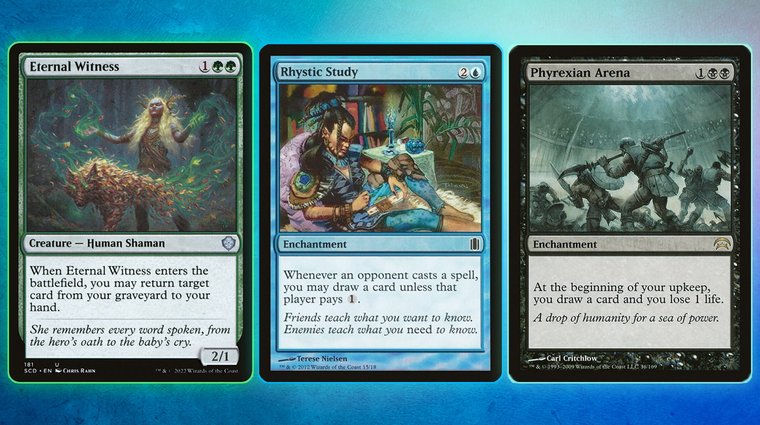
A triggered ability in Magic: The Gathering is an ability that automatically activates when a certain event or condition occurs. You can spot them by their wording. They always start with “when,” “whenever,” or “at.” These three words signal that the card has a triggered ability waiting to fire.
Here is how it works. A creature enters the battlefield. A card gets drawn. A player loses life. When the trigger condition is met, the ability goes onto the stack. Once on the stack, it will resolve unless someone counters it or removes it another way.
The key thing to remember is that triggered abilities are not optional in most cases. When the condition happens, the trigger must go on the stack. You do not choose to activate it like you would with tapping a creature for mana. The game itself recognizes the trigger event, and the ability fires automatically.
If you are still learning how to play Magic: The Gathering, understanding triggered abilities is essential. They form the backbone of many powerful deck strategies and card interactions.
How Triggered Abilities Work
Triggered abilities follow a simple pattern. The trigger event happens, then the ability goes on the stack, then it resolves. But the details matter. The timing of when triggers fire and how they interact with other effects can get complex. Getting the sequence right separates good players from great ones.
When multiple triggered abilities trigger at the same time, the active player puts their triggers on the stack first. Then the non-active player adds theirs. This means the non-active player’s triggers resolve first. Knowing this order can help you sequence your plays better and squeeze out extra advantages.
Some triggered abilities have targets. You choose those targets when the ability goes on the stack. If the target becomes illegal before the ability resolves, the ability does nothing. This is called “fizzling.” Smart opponents will try to make your targets illegal before your triggers resolve.
Conditional Triggered Abilities
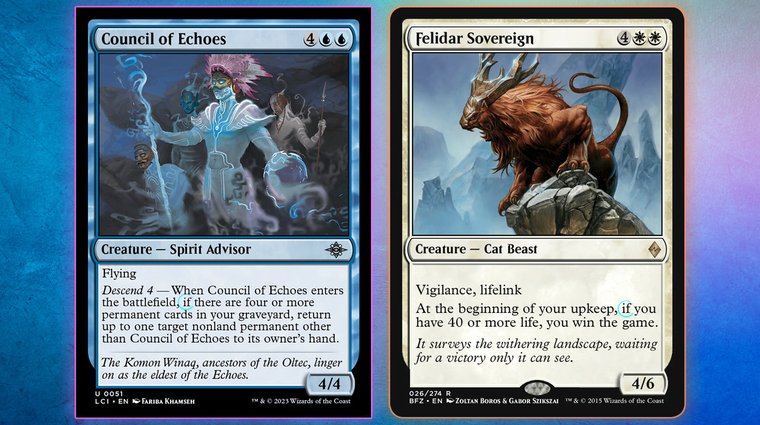
Conditional triggered abilities only trigger if a specific condition is true at the moment the event happens. They use the word “if” in their trigger condition.
A card might read “When this creature enters the battlefield, if you control another creature, draw a card.” The condition must be true right when the creature enters. If you do not control another creature at that exact moment, the ability never triggers at all.
This differs from other triggers because the game checks the condition before the ability even goes on the stack. Miss the window, and you miss the effect entirely.
State-Triggered Abilities
[image]
State-triggered abilities watch for a specific game state to become true. The game continuously checks for these conditions. When the state becomes true, the ability triggers once.
For example, a card might say, “When you have no cards in hand, sacrifice this permanent.” The game monitors your hand size constantly. The moment your hand becomes empty, the trigger fires.
These abilities only trigger once per state change. If the condition stays true, the ability does not keep triggering over and over. The state must become false and then true again for another trigger.
Delayed Triggered Abilities
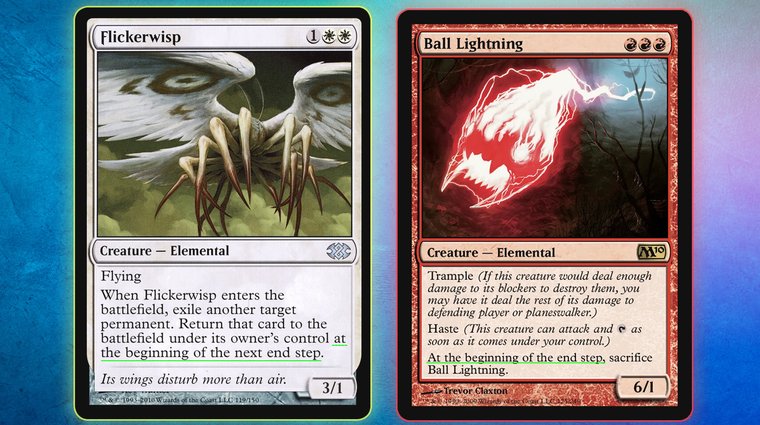
Delayed triggered abilities are created by other spells or abilities. They do not exist on the card itself from the start. Instead, another effect sets them up to trigger later.
Common wording includes “at the beginning of the next end step” or “when this creature dies this turn.” A spell might exile a creature and say, “Return it to the battlefield at the beginning of the next end step.” That return effect is a delayed trigger.
These triggers are one-time events. Once they fire, they are done. They offer powerful ways to set up future effects and create interesting board states. Many MTG Commander staples use delayed triggers to generate massive value over multiple turns.
Reflexive Triggered Abilities
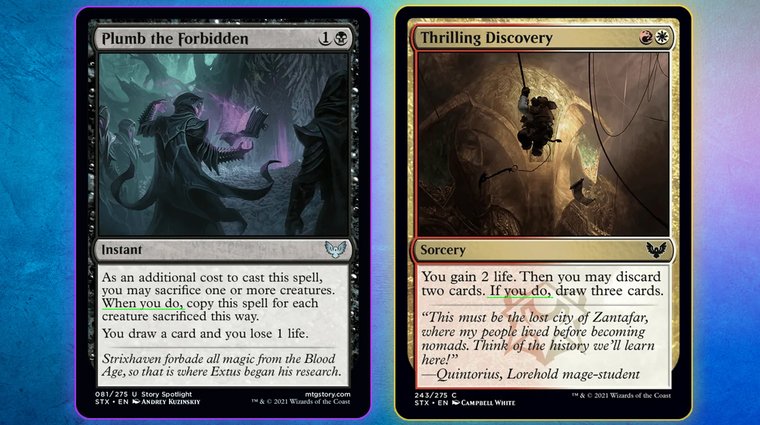
Reflexive triggered abilities happen during the resolution of another ability. They use wording like “when you do” or “if you do, then.“
A card might say, “You may sacrifice a creature. When you do, the target opponent discards a card.” The sacrifice is a choice you make during resolution. If you choose to sacrifice, then the discard trigger fires immediately.
These abilities allow for conditional effects based on choices made during resolution. They give you flexibility while still keeping the automatic nature of triggered abilities.
Examples of Triggered Abilities
Let me show you three common examples that demonstrate how triggered abilities work in actual games. These cards appear across multiple formats and showcase the power of automatic effects.
First, consider a classic enters-the-battlefield trigger. Mulldrifter has the text “When Mulldrifter enters the battlefield, draw two cards.” Simple and clean. The creature hits the board, the trigger fires, and you draw cards. This type of trigger rewards you just for casting the creature. You get value regardless of what happens to Mulldrifter afterward. Even if your opponent removes it immediately, you already drew two cards.
Second, look at death triggers. Blood Artist reads “Whenever Blood Artist or another creature dies, the target opponent loses 1 life, and you gain 1 life.” Every creature’s death triggers this ability. In a deck with many creatures entering and leaving the battlefield, this card can drain opponents quickly. Sacrifice decks love this card because each sacrificed creature becomes a life swing. The trigger fires for your creatures and your opponents’ creatures alike.
Third, examine combat triggers. Sword of Fire and Ice says, “Whenever equipped creature deals combat damage to a player, draw a card and deal 2 damage to any target.” This only fires when you successfully hit an opponent with the equipped creature. Combat triggers encourage aggressive play and reward you for connecting with attacks. The card advantage and removal packed into one trigger make equipment like this a staple in many competitive decks.
Triggered Abilities vs Other Abilities
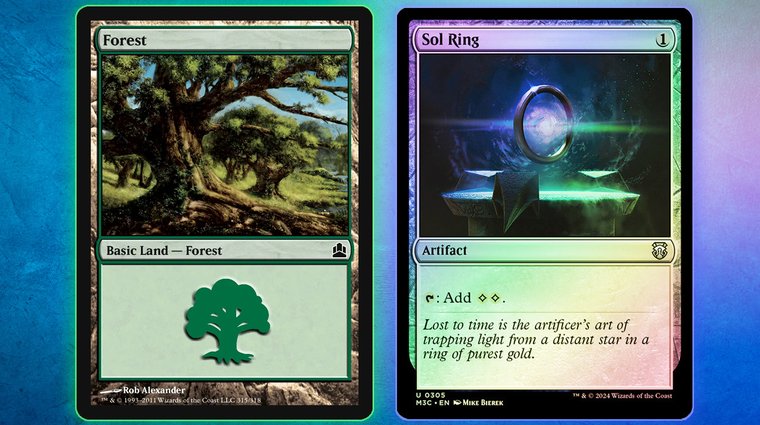
Triggered abilities are one of three main ability types in Magic: The Gathering. Understanding the differences helps you play more accurately.
Activated abilities require a cost to use. They follow the format “cost: effect.” You see a colon separating what you pay from what you get. Tapping a land for mana is an activated ability. You can use activated abilities whenever you have priority and can pay the cost.
Triggered abilities cost nothing to use. They happen automatically when conditions are met. You do not choose when they fire. The game itself recognizes trigger events and puts abilities on the stack for you.
Mana abilities are a special subset of activated abilities. They add mana to your mana pool and do not use the stack. This means they resolve instantly and cannot be responded to. Most land abilities fall into this category.
Building decks around these ability types requires different strategies. If you want to explore powerful synergies and deck construction ideas, check out our guide on the best MTG Commander precons to see how top decks use triggered abilities effectively.
Mastering the Trigger: Your Next Steps
Triggered abilities add depth and strategy to every game of Magic: The Gathering. They reward careful deck building and smart sequencing. Now that you understand what is a triggered ability in MTG and how the different types work, you can spot these effects on cards and plan around them.
Pay attention to trigger wording on every card you play. Notice when abilities fire and how they stack with each other. The more you practice recognizing triggers, the better your gameplay becomes.
Ready to put your knowledge to use? Browse the latest Magic: The Gathering products at TCGplayer and start building a deck packed with powerful triggered abilities.
FAQs
Things that count as triggered abilities are any card abilities starting with “when,” “whenever,” or “at.” These include enter-the-battlefield effects, death triggers, combat damage triggers, and upkeep effects.
To tell if an ability is a triggered ability, look for the words “when,” “whenever,” or “at” at the start of the ability text. These words always indicate a triggered ability rather than an activated one.
The difference between triggered and activated abilities is how they start. Triggered abilities fire automatically when conditions are met. Activated abilities require you to pay a cost and choose when to use them.
If you miss a triggered ability in casual play, players often allow a rewind. In competitive play, missed triggers follow specific tournament rules. Judges determine whether the ability still happens based on the situation.
Yes, you can counter a triggered ability with specific cards that say “counter target triggered ability.” Regular counterspells like Counterspell only work on spells, not abilities already on the stack.
Yes, you can respond to a triggered ability because it uses the stack like any other spell or ability. You can cast instants, activate abilities, or let other triggers resolve before the original one does.